
Did you know that improperly selected or installed gutters contribute to over $2 billion in water damage annually in the U.S.? If you want to avoid unexpected repair costs and safeguard your home’s foundation, understanding the different types of gutters is essential. This guide reveals everything you need to make the best choice for your property—saving you money, hassle, and heartache.
Taking a look at different types of gutters: startling facts and figures
The moment rain begins to fall, your home counts on a well-designed gutter system to steer water off your roof and away from your walls and foundation. Yet, millions of homeowners still overlook the importance of selecting the right system among the many types of gutters available. A poorly matched or installed rain gutter isn’t just inconvenient; it can escalate quickly into extensive water damage—destroying landscaping, siding, and even your basement. This makes choosing the right gutter system a decision that is both practical and potentially life-saving for your home.
Recent studies show that homes equipped with the right gutter styles experience significantly fewer incidents of flooding and exterior water intrusion. Besides financial savings, the right gutter material can enhance curb appeal and even drive up resale value. That makes understanding the subtle (and not-so-subtle) distinctions between K-style gutters, half-round gutters, and box gutters more important than ever. Let’s break down what you need to know before investing in your next rain gutter system.
What You’ll Learn About Different Types of Gutters
-
Key differences between gutter styles and materials
-
How to select the ideal gutter system for your climate and architecture
-
Cost breakdowns for rain gutters, installation, and maintenance
-
Expert tips on gutter guards, installation, and long-term performance
Why Different Types of Gutters Matter: Protecting Your Home from Water Damage
Preventing Water Damage with Proper Rain Gutter Systems
A well-chosen gutter system is your home’s first line of defense against water damage. Gutters guide rain off the roof, protecting your doors, siding, windows, and even your home’s foundation from moisture. When gutter styles or gutter materials are chosen poorly—or when gutters become clogged or corroded—water can pool and seep where it shouldn’t, resulting in rot, mold, and erosion. Not only can this impact your health, but it can also lead to expensive structural repairs and ruin landscaping. In essence, picking from the different types of gutter systems is about much more than looks—it’s about creating a safe, healthy home environment that can withstand all sorts of weather conditions.
Consider this: storms and heavy rainfall are increasingly common in many regions. If your rain gutters aren’t suited to handle your local weather conditions, the risk of overflow and backup multiplies. That’s why building experts recommend evaluating both your climate and your roof setup before selecting a gutter style. The right choice will efficiently channel water away—while the wrong one could put your investment at risk. Remember, different types of gutters offer unique solutions for drainage, durability, and home protection.
When considering which gutter system is best for your home, it’s also helpful to understand the installation process and the benefits of seamless options. For a closer look at how seamless gutters can enhance both performance and curb appeal, explore this detailed guide on seamless roof gutter installation in Denton County and discover what sets professional installations apart.
The Costly Consequences of Poor Gutter Choice
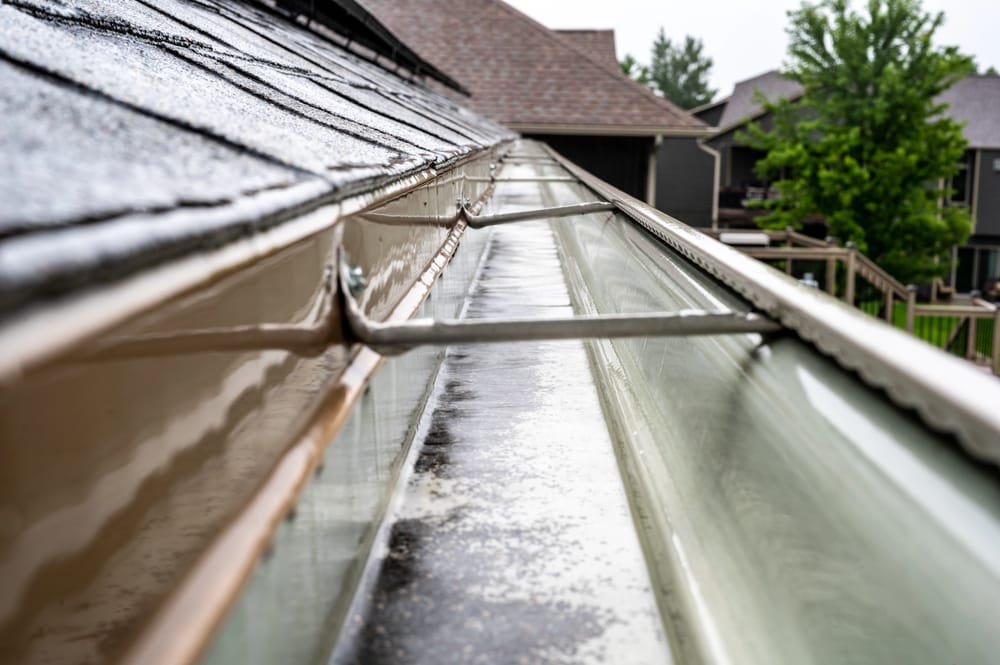
Choosing an inadequate or inappropriate gutter system often leads to more problems than it solves. For example, undersized gutters may not be able to channel large volumes of rainwater, resulting in spillage and pooling that can deteriorate your home’s foundation and landscapes. Even minor leaks from seams in sectional gutters can, over time, cause wood rot in your fascia board or significant staining on siding and brickwork. Additionally, vinyl gutters—while affordable and easy to install—can crack and warp under extreme weather conditions, shortening their effective lifespan and requiring early replacement.
Beyond visible damage, improper gutter installs may lead to hidden problems like attic water intrusion or basement flooding. All of these risks highlight the importance of carefully weighing factors such as gutter material, style, and placement—and why investing in reliable solutions and professional installation pays off. When comparing different types of gutters, remember that upfront savings can be quickly outweighed by the long-term costs of water-related repairs.
How the Right Gutter Style Impacts Curb Appeal and Value
Your home’s curb appeal is more than exterior paint or landscaping—the shape and material of your gutters can actually elevate the look and perceived value of your property. Modern homeowners are increasingly selecting gutter styles like K-style or seamless gutters that seamlessly blend with architectural features and complement a home’s color scheme. A well-chosen gutter material, such as copper or painted aluminum, can provide a polished, upmarket look while promising years of reliable rain diversion.
When it comes time to sell, real estate agents often highlight recent gutter installation as a selling point. Potential buyers look for signs of good maintenance, and attractive, durable gutters signal that the property is cared for. If you’re hoping to maximize your property value, pay as much attention to your gutter system as you would to your roofing or siding—a smart investment in the right gutter type makes your house stand out for all the right reasons.
Understanding Gutter Systems: How Different Types of Gutters Work
What is a Gutter System?
A gutter system is a network of channels installed along the edge of your roofline to collect and redirect rainwater. At its core, every rain gutter works by catching water that flows off the roof and channeling it safely to downspouts, which lead the water away from your home’s foundation. Most types of gutters are designed to fit snugly under the roof’s edge, often attached to or just below the fascia board. This simple yet effective setup is indispensable in any climate with precipitation, keeping costly water damage at bay.
Within the wider category of gutter styles you’ll find options tailored to different roof shapes, budgets, and exterior preferences. Some systems are designed for easy cleaning and low maintenance, such as those that integrate gutter guards, while others prioritize architectural style or water-handling capacity. The main point: the best system is the one that combines practicality, durability, and visual harmony with your home.
How Rain Gutters Channel Water Away from Your Home
The magic of a well-designed rain gutter is in how it quietly safeguards your house. When rain strikes, gutters act as catchers—collecting streams of water running down the roof slope and channeling them toward strategically placed downspouts. This process depends on the gutter’s profile, positioning, and diameter. For example, K-style gutters have a deep trough for heavy rain, while round gutters (like half-round or box gutters) may be better suited for moderate flow and classic homes.
To prevent overflow or water pooling, every angle and connection must be precise. Downspouts must be free of blockage and long enough to direct water well away from your foundation. The system also needs to consider debris: in leafy neighborhoods, gutter guards become a smart investment, keeping out twigs and leaves without restricting flow. Effective gutter systems protect your home through every storm, silently handling thousands of gallons of water each year.
Gutter Installation Basics: What Every Homeowner Should Know
Gutter installation involves precise measurement, sturdy materials, and expert craftsmanship to ensure lasting results. When installing a new gutter system, it’s crucial to select the correct size and pitch based on your roof’s square footage and expected rainfall. Seamless gutters—formed to exact lengths on-site—have become a popular choice for homeowners seeking fewer joints and lower leak potential. Sectional gutters, on the other hand, come in pre-cut pieces that are joined together, making them more accessible for DIYers but prone to potential maintenance.
For both systems, ensure gutters slope downward toward each downspout for effective drainage. Secure attachment to fascia board is essential, as loose connections can cause sagging or detachment during storms. Lastly, keep in mind that professional installation can help avoid common pitfalls and is especially important for more complex rooflines or specialty gutter types.
Common Signs Your Gutter System Needs Upgrade or Replacement
Homeowners should regularly inspect their gutters for warning signs indicating the need for repair or replacement. Sagging sections, frequent leaks, or visible rust and corrosion signal that your gutter system may no longer protect your home from water damage. Overflowing during rain, separation from the fascia board, or evidence of water collecting near your foundation are other red flags. Even the most durable aluminum gutters or copper gutters will eventually succumb to time and weather, so don’t ignore persistent problems.
In many cases, upgrading to a new gutter style or system can resolve these concerns while improving functionality and appearance. If you notice repeated clogs, it may be time to opt for gutter guards. Likewise, if your home has experienced foundation cracks or moisture in the basement, a new, properly sized system can make all the difference. Staying proactive will save you from larger repairs and preserve your home’s value.
Comprehensive Guide to Different Types of Gutters and Gutter Styles
K-Style Gutters: America’s Most Popular Gutter Style
-
Appearance and Profiles
-
Installation Pros & Cons
-
Best Uses
K-style gutters are easily recognized by their angular profile, which resembles the letter “K.” Their flat back allows them to fit snugly against the fascia board, making installation straightforward and the finished look modern and streamlined. These gutters are among the most popular choices in the United States because their deep, flat-bottom channel efficiently handles heavy rain while resisting bending and denting.
One advantage of K-style gutters is their compatibility with various materials: you’ll find aluminum, vinyl, and even copper K-style options to match different budgets and home designs. On the downside, their internal angles can trap debris, so regular cleaning or the addition of gutter guards is recommended for optimal performance. These gutters work well for most modern homes and are ideal where rainfall can overwhelm smaller or shallower profiles.
Half-Round Gutters: Classic Style Gutters for Traditional Homes
-
Advantages and Limitations
-
Material Options: Aluminum, Copper, Vinyl Gutters
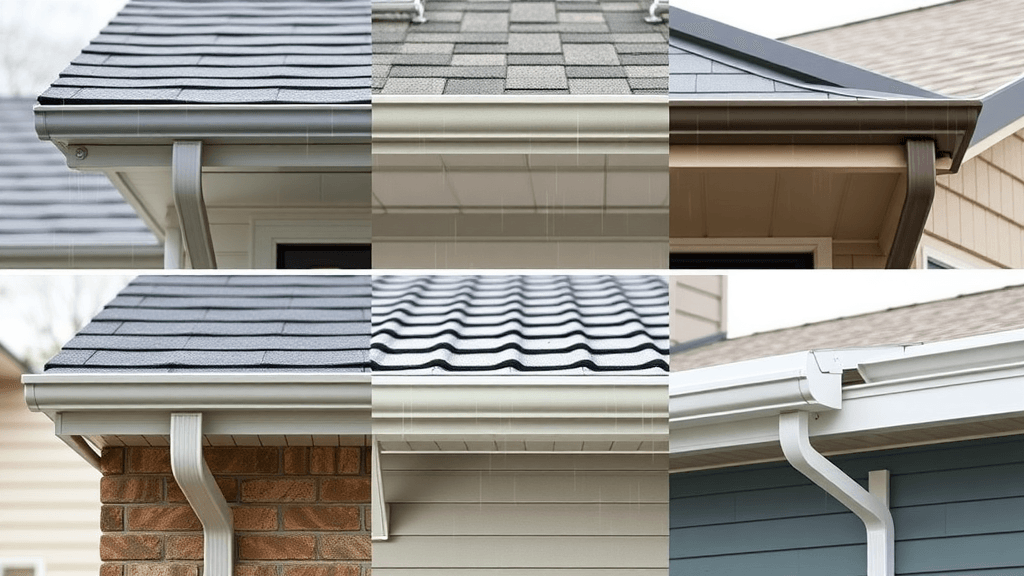
Half-round gutters, often described as round gutters, offer an arched, smooth appearance that’s perfect for traditional or historic homes. Their curved design is both functional and elegant—rainwater flows smoothly through the semi-circular channel, reducing clogs and making cleaning easier. Many older homes use half-round gutters made from copper or galvanized steel, but modern vinyl gutters and lightweight aluminum gutters are now available for affordability and ease of installation.
The main limitation of this gutter style is its lower water capacity compared to K-style systems, making it best suited for areas with moderate rainfall. Material choice matters: copper half-round gutters offer unmatched longevity and a handsome patina, while vinyl is cost-effective but less durable in extreme conditions. Regardless of material, these gutters add timeless curb appeal and charm to any property.
Box Gutters: Advantages for Historic and Modern Structures
-
Integration into Roofline
-
Water Handling Capacity
-
Suitable Applications
Box gutters (sometimes called “integral gutters”) are built directly into the roof’s eaves or the lower edge of the roof deck. This design hides the gutter from sight when viewed from the ground, preserving the lines of historic or high-end modern architecture. Their wide, rectangular channels provide exceptional water-handling capacity—making them ideal for large roofs or areas that receive heavy rainfall.
Box gutters require meticulous installation, typically by professionals familiar with both historic restoration and new construction. They’re most often constructed from sturdy metals like galvanized steel, copper, or aluminum. The hidden profile is visually appealing, but it comes at a cost: maintenance and repairs can be more complicated, and improper installation can lead to leaks inside walls or attics. Despite this, box gutters remain a top choice for preserving architectural integrity in homes where exterior appearance is paramount.
Specialty Gutter Types: Fascia, European, and Custom Gutters
Some homes benefit from specialty gutter types designed for unique architectural needs. Fascia gutters are installed as a one-piece system that serves as both the fascia board and the gutter itself—ideal for sleek modern designs or where fascia boards are missing. European gutters, often crafted from copper with distinctive half-round hangers, add a touch of Old World charm with high durability. Custom gutters can be fabricated to any profile or dimension, offering the ultimate flexibility for high-end or architecturally significant properties.
When considering a specialty gutter type, consult a professional. These systems often require careful planning and expert installation but can either replicate historic details or deliver one-of-a-kind curb appeal. Each option has its advantages in terms of water capacity, longevity, and visual appeal—ensuring there’s a solution for even the most demanding home designs.
Material Matters: Choosing the Best Materials for Different Types of Gutters
Aluminum Gutters
-
Durability, Rust Resistance, and Color Choices
-
Installation Tips
Aluminum gutters are the most common rain gutter material, valued for being lightweight, rustproof, and easy to install. Available in a vast range of colors, aluminum gutters can match almost any exterior, boosting both functionality and curb appeal. Their resistance to corrosion makes them a popular choice in both coastal and inland regions, and modern versions often include protective coatings for added longevity.
When installing aluminum gutters, secure attachment is key to prevent sagging under heavy water load. These systems work well for both sectional and seamless gutters, thanks to the material’s flexibility and affordability. While dent resistance is lower than that of steel or copper, for many homeowners, aluminum offers the best balance between cost and performance.
Copper Gutters: Lifetime Longevity and Distinctive Style
Copper gutters represent the pinnacle of gutter materials—offering unmatched lifespan, resistance to rust, and breathtaking visual appeal. Over time, copper develops a natural patina (changing from shiny orange to a soft green), adding an element of historic grandeur to homes old and new. Copper gutters are heavy, require professional gutter installation, and come with a higher price tag, but they’re practically immortal when maintained properly.
Copper’s durability means it can withstand challenging climates and heavy rain. Unlike aluminum gutters, there’s no need for painting or frequent replacement. If long-term investment, beauty, and “wow” factor are priorities, copper gutters are hard to beat.
Vinyl Gutters: Affordable and Easy to Install
Vinyl gutters are the leader in cost-effective, do-it-yourself gutter solutions. Lightweight and available in snap-together sections, vinyl gutters are easy to transport, cut, and assemble. They’re immune to rust and come in several colors, although they may fade from extensive sun exposure.
Their main drawback is their vulnerability to cracking or warping in areas with high heat or cold. For moderate climates and budget-conscious installations, vinyl remains a popular choice. Just keep in mind that while initial investment is low, lifespan is typically shorter than with metal gutter systems.
Steel and Zinc Gutters: Pros and Cons
Steel gutters (often galvanized or stainless) and zinc gutters fill the middle ground between aluminum and copper. Galvanized steel is strong and resists denting, but can eventually rust if the protective finish is damaged. Stainless steel lasts much longer, though its price is similar to copper. Zinc gutters, meanwhile, develop their own gentle patina and offer excellent life expectancy and resistance to corrosion.
These materials are perfect for homes in harsh climates where falling limbs or heavy snowfall are common. Their up-front cost is higher than vinyl or aluminum, but their life cycle can make them a wise investment when durability is a primary concern.
Sectional vs Seamless Gutters: Which Gutter System is Right for You?
Understanding Sectional Gutters
Sectional gutters come in pre-cut lengths (typically 10 or 20 feet) and are joined together during installation, making them accessible for DIY projects or budget-focused replacements. Each joint is sealed, but these seams can become points of weakness over time, increasing the risk of leaks as sealant degrades. Sectional systems can be built from various materials, such as vinyl, aluminum, or steel.
The main advantage of sectional gutters is cost and ease of repair—individual pieces can be replaced as needed. However, homeowners should anticipate more intensive maintenance and a higher risk of leaks or blockages at connection points. Sectional systems are easier for simple rooflines or small outbuildings but are considered far less durable than their seamless counterparts.
Advantages of Seamless Gutters
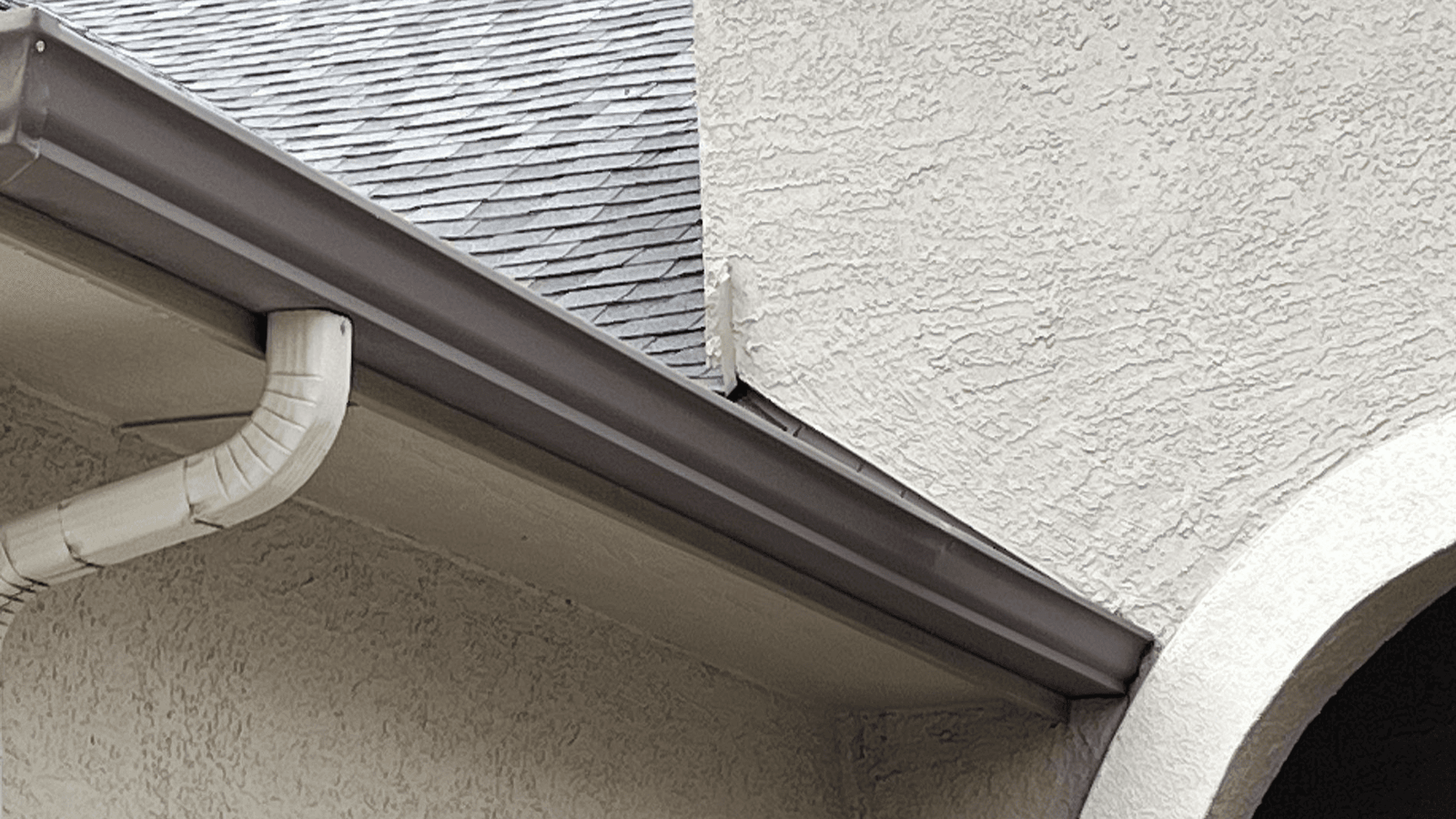
Seamless gutters are custom-formed on-site to fit the exact dimensions of your home in one continuous piece, eliminating the seams that cause most leaks. Typically made from coils of aluminum or copper, seamless gutters reduce maintenance and increase system longevity. The absence of joints means a smoother profile, both for visual appeal and water flow.
The initial cost of seamless gutter systems is higher due to the specialized equipment and professional installation required. However, their long-term performance, reduced leak potential, and minimal maintenance make them the gold standard for most modern homes, particularly where appearance and reliability are top concerns.
Longevity, Leak Potential, and Maintenance for Different Types of Gutters
When choosing between sectional or seamless options, it’s wise to consider maintenance needs and your expectations for service life. Seamless systems typically outlast sectional ones because joints are found only at corners or downspouts, minimizing leak risks and streamlining cleaning. On the other hand, sectional gutters, while cheaper upfront, may require more frequent inspections and resealing, driving up long-term costs.
Regardless of which system you select, regular cleaning, prompt repairs, and periodic upgrades are essential to maximize performance. High-quality gutter guards or mesh can further reduce maintenance, especially in leafy neighborhoods. The best results come from matching the gutter type and material to the size of your roof, local weather, and your preferences for style and efficiency.
How to Choose the Right Different Types of Gutters for Your Property
Assessing Roof Size, Climate, and Water Volume
Finding the ideal gutter system starts with understanding the size and slope of your roof, as well as typical rainfall in your area. Larger roofs or homes located in regions with intense or frequent storms need gutters with greater water-handling capacity, like K-style or oversized box gutters. Conversely, houses in mild climates can often get by with smaller half-round or basic aluminum systems. Calculating proper downspout placement and sizing is equally crucial to ensure rapid water evacuation during storms and to prevent overflow.
Also weigh in local climate triggers like frequent freeze-thaw cycles or falling debris. Some materials and gutter types—such as copper or seamless aluminum—are particularly adept at withstanding harsh weather conditions. Assessing all these factors as part of your pre-installation planning will ensure your final choice keeps your home protected year-round.
Matching Gutter Style and Gutter Material to Your Architecture
Your home’s architectural style should guide your choice of gutter style and material. For classic or historical exteriors, half-round or copper gutters may be the perfect fit, echoing original design details and delivering timeless curb appeal. Modern or minimalist homes benefit from the sleek lines of K-style or fascia gutters, which can be painted or powder-coated to match any façade. Specialty styles (like European or custom gutters) add unique character for high-end properties.
Material selection further impacts design harmony: choose copper or zinc for an upscale finish, or aluminum for a clean, color-matched appearance. The right gutter choice will not only protect your property from water damage but also increase its aesthetic and market value.
When to Consider Upgrading to a New Gutter System
Routine inspections can reveal when it’s time to invest in a new gutter system. Persistent leaks, visible corrosion, cracks, or gutters pulling away from the roofline all signal that your current setup may no longer provide reliable protection. If you’re planning a roof replacement or exterior renovation, it’s a perfect time to upgrade to a high-quality seamless system or install gutter guards.
Homes built before the 1980s with aging steel or poorly maintained vinyl systems are often overdue for replacement. Whenever you experience water entering your basement, moisture in your attic, or see cracking in the foundation, get a professional assessment—modern gutters offer superior performance and can help you avoid costly home repairs down the road.
Smart Additions: Gutter Guards and Accessories for Gutters
Why Gutter Guards Matter for Low-Maintenance Gutter Systems
Gutter guards are protective covers or screens that keep leaves and debris out while allowing rainwater to flow freely. Using gutter guards is a proactive way to reduce your home maintenance routine—especially if you live under mature trees or in areas prone to storms. Fewer blockages mean fewer overflows, less chance of ice dams in winter, and a major reduction in the likelihood of water damage due to clogged gutters.
Installing a quality guard system—whether mesh, foam, or brush style—pays for itself by saving you time and reducing the need for frequent cleaning. In many cases, guards can be added to existing gutter systems, or included at installation when buying new seamless or specialty gutters.
Types of Gutter Guards: Pros and Cons
There are several main types of gutter guards:
-
Screen guards: Affordable and easy to install, but may require occasional cleaning.
-
Mesh guards: Fine screening blocks small debris and even pine needles, though costlier than basic screens.
-
Reverse curve/Surface tension guards: Force water into the gutter while directing leaves over the edge, but can be more visible and expensive.
-
Brush and foam inserts: Block debris while letting water through, though these need to be removed for cleaning from time to time.
Popular Gutter Accessories That Improve Performance
Beyond guards, a variety of accessories can increase the efficiency and longevity of your gutter system. Downspout extensions and diverters help channel water even further away from your foundation, while decorative rain chains add beauty to functional water handling. For homes in high rainfall zones, splash blocks under downspouts disperse water without eroding soil or landscaping. Finally, thermostatically controlled heat cables can prevent ice dam formation in colder climates, keeping gutters clear during winter storms.
Smart upgrades like these will help any types of gutter system deliver the best possible return on investment, reduce risk of water damage, and make home maintenance a breeze for years to come.
Comparing Costs and Value: Different Types of Gutters and Their Price Points
Factors Determining Rain Gutter Installation Costs
The total cost of installing new rain gutters depends on several key factors:
-
Gutter material: Copper and steel are pricier than aluminum or vinyl.
-
System style: Seamless gutters cost more than sectional designs but provide better performance and longevity.
-
Home size and roof shape: Larger homes or those with many corners and intricate rooflines require more materials and labor.
-
Add-ons: Gutter guards, downspout extensions, and specialty accessories add to the final price.
Long-Term Value: Maintenance, Durability, and Return on Investment
While the price tag on premium gutter systems may seem steep, their ability to prevent major foundation or roof repairs pays for itself many times over. Durable materials like copper and seamless aluminum offer maintenance-free performance for decades, whereas cheaper vinyl gutters may need replacement within 10 years in harsh climates. Well-planned installations with added gutter guards minimize cleaning and maximize protection, delivering the best return on investment.
“Investing in the right gutter system may seem costly upfront, but it pays dividends by preventing expensive repairs and protecting your home’s foundation. Not to mention adding curb appeal value!” –Dan Gillean, owner and founder of Gillean Brothers Roofing in Denton TX
Don’t underestimate the savings from fewer repairs, improved curb appeal, and even higher resale value. When it comes to choosing the right gutter, spending a little more today often equals peace of mind and financial security in the long run.
People Also Ask: Your Top Questions About Different Types of Gutters Answered
What are the different types of gutters?
There are several main types of gutters: K-style, half-round, and box gutters. K-style gutters feature a flat back and decorative front, making them popular for modern homes. Half-round (or round) gutters are semi-circular and complement traditional or historic houses, while box gutters are built into the roofline for a hidden look, common in vintage or high-end properties. Specialty gutters, such as fascia and European styles, are also available for unique architectural needs.
How much does it cost to add gutters to a 1500 sq ft house?
According to Dan Gillean of Gillean Brothers Roofing in Denton Texas, the average cost to install aluminum seamless gutters on a 1500 sq ft house can range between $1,500 and $4,000. This price range depends on the gutter size used (5″ or 6″), and whether you include add-ons like gutter guards and downspout extensions. Additional costs may be encountered with removal of old gutters, or with unusual roof design and heights involved.
What is the best kind of gutter?
The best kind of gutter depends on your climate, roof size, architectural style, and budget. For most homes, seamless aluminum gutters (K-style) offer the best balance of durability, affordability, and versatility.
Which style of gutter can handle more water?
K-style gutters generally handle more water than half-round or box gutters due to their deeper profile and flat bottom, making them ideal for areas with heavy or frequent rainfall. For very large roofs, oversized box gutters are also an option, delivering superior capacity for rainwater diversion during major storms.
FAQs: Expert Answers to Common Gutter Questions
-
Can you mix different types of gutters on one house?
You can mix different gutter types, but it’s usually best to maintain a cohesive look for curb appeal and consistent performance. Mixing is sometimes done when adding onto older homes or for unique architectural designs. -
Do rain gutters increase home value?
Rain gutters absolutely increase your home value. New, attractive, and properly installed gutters add curb appeal and signal conscientious home maintenance. -
How often should gutters be cleaned or replaced?
Gutters should be cleaned twice yearly—more often if you live near trees. Replacement is needed when gutters leak, crack, or pull away from the roofline, usually every 20-30 years for quality materials. -
What is the typical lifespan of different gutter styles and materials?
Vinyl gutters last 10–20 years; aluminum gutters 20–30 years; steel 15–25 years; and copper gutters 50+ years with proper care. -
Is professional gutter installation necessary?
For most homeowners, professional gutter installation is recommended, especially for seamless or specialty gutter types. Quality installation ensures lasting protection and minimizes leak potential.
Key Takeaways: Making the Most Informed Decision on Different Types of Gutters
-
Careful gutter selection protects your property against water damage.
-
Consider both style and material for aesthetics and performance.
-
Gutter guards and maintenance plans extend gutter life.
-
Choose seamless over sectional for leak prevention.
Ready to Choose the Best Type of Gutters for Your Home?
Don’t leave your home’s rainwater defense to chance. Call Gillean Brothers Roofing at 940-315-7663 to learn more—our experts will help you assess, install, and maintain the ideal gutter system for your needs.
If you’re looking to take your home’s protection and value even further, it’s worth considering how your gutter system fits into the bigger picture of overall roof health and maintenance. The right gutters are just one part of a comprehensive approach to safeguarding your property from the elements. For expert advice on roof care, repairs, and maximizing your investment, explore the full range of services offered by Gillean Brothers Roofing, Denton’s trusted roofing and gutter specialists. Discover how a holistic strategy can keep your home secure, beautiful, and worry-free for years to come.