
Did you know that nearly 80% of flat roof failures are caused by neglect, not by age? If you own or manage a property with a flat roof, understanding proper flat roof maintenance could mean the difference between minor repairs and unexpected, expensive roof replacement . In this guide, you’ll discover the crucial steps to keep your flat roof in good condition —saving you time, money, and stress in the long run. Read on to become a flat roof maintenance pro and avoid those costly repairs !

Understanding Flat Roof Maintenance: Why Prevention Saves Thousands
Did you know that nearly 80% of flat roof failures are due to neglect rather than age? This guide on flat roof maintenance reveals how small steps today can help you avoid massive, costly roof repairs tomorrow.
Flat roofs are common on commercial buildings and some homes because of their modern look and practical use of space. But, they’re different from pitched roofs and require special roof maintenance . Ignoring your flat roof doesn’t just lead to leaks—over time, it can cause major structural damage and lead to expensive roof repairs or even full roof replacement . Regular flat roof maintenance isn’t just about saving money; it’s about protecting your property. Simple routines, like inspecting for cracks and making sure your drainage system is clear, can make your roof last years longer and fend off unexpected problems before they happen.
When you understand the basic needs of a flat roof and keep up with routine maintenance , you’ll prevent water damage, avoid the headaches of sudden leaks, and ensure your building stays safe and dry. In the following sections, you’ll find everything you need to know—from what types of flat roofs need, to tips, tools, and when to call the pros for flat roof repair or complicated jobs a DIY fix can’t solve.
For property owners who discover issues during their inspections or need targeted solutions, exploring professional flat roof repair services can provide peace of mind and ensure repairs are handled with expertise. Addressing problems early with the help of specialists can make a significant difference in your roof’s longevity.
Flat Roof Maintenance Essentials: What Every Property Owner Must Know
Flat Roof Basics: Types, Lifespan, and Key Characteristics
Flat roofs come in several types, and knowing what you have is the first step toward long-term health. The most common flat roofing systems include single-ply membranes like EPDM, TPO, or PVC; built-up roofing with layers of asphalt and felt; and modified bitumen, which combines traditional and modern materials. Each material comes with its own strengths, weaknesses, and typical lifespan—usually ranging from 15 to over 30 years with good care.
Single-ply membranes are popular for their flexibility and resistance to UV rays, while built-up roofs are known for their durability against foot traffic and weather. Modified bitumen is favored for its layered waterproofing. The key characteristic that unites all these roofing systems? Unlike a sloped roof, flat roofs do not shed water as quickly, meaning water and debris can collect and create maintenance challenges.
Knowing your roofing material and its needs helps you choose the right flat roof maintenance routine. Materials age differently, and some require more frequent checks for cracks, loose seams, or failed coatings. Understanding your roof helps you protect your investment and ensures you’ll spot potential problems before they need major intervention or a costly roof replacement .
Main Causes of Flat Roof Deterioration
The biggest enemies of flat roofs are time, water intrusion, and neglect. Contact with standing water, or “ponding,” quickly wears down the roof coating and weakens the waterproof barriers, which can lead to leaks and hidden structural damage . UV rays and extreme temperatures can cause certain roofing materials to crack, shrink, or blister, while debris left on the surface can puncture or slowly deteriorate the membrane.
No flat roof is immune to wear and tear. Foot traffic from maintenance staff and equipment can scuff or tear the surface, especially in commercial spaces. Neglecting routine inspections can let small issues—like a blocked drain or minor crack—grow into major problems requiring flat roof repair . The good news is that many of these issues are easy to spot and address if you have a plan for regular roof maintenance . Prevention is always cheaper than the cure, especially on a large commercial property.
The Square Foot Factor: How Roof Size Impacts Flat Roof Maintenance
The larger your roof, the higher the stakes for flat roof maintenance . A bigger square foot area means there are more places for potential problems to hide. Larger roofs also collect more debris and have longer drainage paths, making proper drainage even more essential. Even routine tasks like inspecting seams and cleaning drains take longer when your roof covers hundreds or thousands of square feet.
Maintenance costs and time requirements often scale with the size of your flat roof. This means a small leak or minor roof repair on a residential property might cause only minor inconvenience and expense, but the same issue on a commercial flat roof can quickly grow into a major project. Planning your maintenance schedule by the square foot ensures you don’t overlook any area, keeping your roofing system strong from edge to edge.
Routine Flat Roof Maintenance: Step-by-Step Checklist
Inspecting Flat Roofs for Common Issues Each Season
Visual checks for cracks, standing water, and blistering
Clearing drains and evaluating for proper drainage
Checking roof coating and membrane
Looking for roof leaks and water intrusion
Flat roof maintenance is a year-round job. Begin each season with a detailed walk-through of your roof, looking for common issues like surface cracks, bubbles (or blisters) in the membrane, and evidence of standing water. Even small imperfections can quickly lead to water damage if not addressed. Make sure you clear drains, gutters, and downspouts so water flows freely off the roof— proper drainage is crucial for preventing leaks and extending roof life.
Evaluate the roof coating for peeling, fading, or exposed patches. Take a close look at all seams, penetrations (like vents and AC units), and flashings for signs of gaps or damage. Finding leaks early often means you only need a minor flat roof repair, instead of a full roof replacement . Finally, during your inspection, watch for areas where water could seep in or materials have come loose from wind or storm activity.
Roof Coating and Sealants: Application and Renewal Frequency
Signs your flat roof coating needs replacement
The protective roof coating is your first line of defense against UV rays, wind, and rain. Over time, this layer can fade, bubble, or peel—leaving your flat roof exposed. The key signs that it’s time to recoat are visible cracks in the surface, loss of shine, or areas that soak up water instead of repelling it. In some cases, you’ll notice “alligatoring”—a patchwork of surface cracks resembling an alligator’s skin.
Most roofs need a new coating every 2–5 years, depending on weather, foot traffic, and material type. Regular inspections ensure you spot issues early. Applying coating at recommended intervals not only maintains waterproofing but can extend the overall life of your roofing system. Not sure if it’s time to reseal? Consult a professional roofing contractor—they’ll quickly tell you if you need maintenance, repair, or replacement.
Cleaning and Preserving Flat Roofing Materials
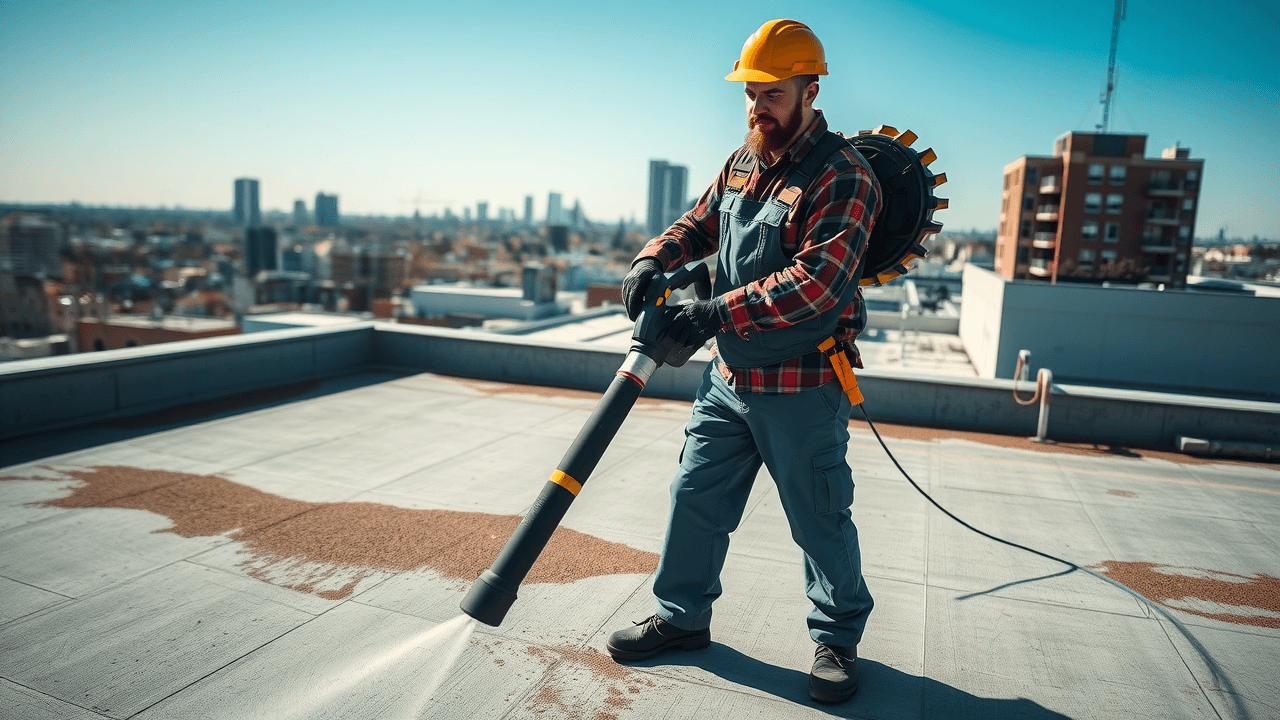
Keeping your roof clean boosts both its visual and structural integrity. Flat roofs in high-pollution or tree-heavy areas collect debris, dirt, and organic matter faster than pitched roofs. Leaving this material to settle can cause moisture traps, leading to algae, moss growth, or soft spots that allow leaks. Use a soft-bristle broom or long-handled brush to gently sweep leaves and debris toward drains, followed by rinsing the surface with low-pressure water.
Be careful not to use harsh chemicals or high-pressure washers, as these can weaken the roofing material or permanently damage the roof membrane . Always wear protective gear and check that you aren’t pushing debris into drains, which can block proper drainage . Routine cleaning, ideally every few months, will preserve flat roofing materials and keep your system in good condition for years.
Preventing Costly Repairs with Proactive Flat Roof Maintenance
Water Ponding and Drainage: How to Prevent Water Accumulation
Standing water is one of the biggest threats to a flat roof. Even shallow puddles can speed up wear, weakening the surface and causing leaks. The key to preventing water accumulation is making sure your roof always has proper drainage . Clean all drains and outlets at least twice a year, and after every severe storm. Watch for dips or low spots that collect water—these are high-risk areas that may need extra repair or reinforcement.
If you see ponding or slow drainage, tackle it right away. Sometimes all that’s needed is clearing debris, but in some cases, adjusting the slope or adding an additional drain may be required. Regular attention to these issues saves you from bigger roof repairs and ensures your roofing system stays watertight and strong.
Identifying Flat Roof Problems Before They Escalate

Most flat roof failures start small—minor cracks, a loose seam, or subtle water stains. During your inspections, check for soft spots, musty odors (which often signal hidden leaks), rust around flashing, or areas where the roof coating appears thin. Quick action to seal these problem spots keeps them from turning into costly repairs .
Use a digital moisture meter to spot hidden dampness under the membrane, a common but invisible sign of trouble. Don’t ignore even the smallest signs—treating minor repairs now saves you from major replacements (and bills) later. If you’re unsure whether something is serious, call in a professional roof inspection for peace of mind.
Weatherproofing and Seasonal Flat Roof Preparation
“A well-maintained flat roof can last up to 25 years longer than a neglected one.” – National Roofing Contractors Association
Any flat roof should be weatherproofed before each major season—especially in climates with heavy rain, snow, or high winds. Seal seams and edges ahead of severe weather and add protective mats in high-traffic areas. Check that all equipment mounts and penetrations, such as vents and HVAC units, are sealed and secure. Cleaning your roof before winter or spring storms is vital, as it prevents blockages and damage from melting snow or rapid rain runoff. Use quality roof coating to guard against UV and temperature extremes. Investing time in weatherproofing your flat roof protects against the elements and dramatically extends its useful life.
When to Call the Pros: Flat Roof Repair and Professional Roof Maintenance
DIY Limitations: When Flat Roof Repair Requires a Professional Roofing Contractor
Indicators for flat roof replacement vs. flat roof repair
Benefits of regular maintenance with professional roofing teams
Some flat roof repairs are simple—cleaning gutters, patching small cracks, or applying sealant to a seam. But once you see widespread damage, persistent leaks, or signs of structural damage , it’s time to call a professional roofing contractor. Large affected areas, multiple leaks, pooling water that won’t drain, or roof layers that are separating often mean more than a quick fix is needed.
Bringing in experts for regular roof maintenance offers real advantages. They’ll catch hidden issues even an experienced DIYer may miss, use professional-grade tools and materials, and offer guarantees for their work. Plus, a certified inspection can often be required for insurance, warranty claims, or property sales. Don’t let pride—or a desire to save a little upfront—cost you a lot more down the road. If you suspect big trouble, call a professional for a trustworthy assessment and correct action.
Cost Considerations: Square Foot Pricing for Roof Repair and Maintenance
The cost of flat roof repair and maintenance often comes down to the size of the affected area, materials required, and level of difficulty. Pricing is usually quoted per square foot , with prices scaled for the extent of repairs and type of flat roof you have. Proactive maintenance is much cheaper per square foot than an emergency roof replacement —a compelling reason to schedule regular check-ups.
Other cost factors include access challenges, the height of your building, and any special materials required. On average, basic cleaning and maintenance on a small roof can be quite affordable, while repairing leaks or replacing sections becomes more costly as area and complexity grow. Investing in routine roof maintenance is the surest way to keep long-term expenses down.
What to Expect from a Professional Roof Maintenance Service

A reputable roofing professional will start with a detailed inspection, documenting issues with photos and notes. They’ll test drainage systems, identify hidden leaks, check seams, flashings, and all edges for vulnerability, and review your roof’s maintenance history. Expect recommendations for repairs or enhancements, and a proposal for future maintenance scheduling.
You’ll receive a clear checklist or report on your flat roof’s health with honest suggestions—replace, repair, or simply clean. Most pros guarantee their repair work, giving you peace of mind that the job is done right. Trustworthy companies will also offer maintenance plans that can actually extend the life of your flat roofing system and help you budget for future upkeep.
Comparing Flat Roof Maintenance Schedules and Best Practices
How Often to Perform Regular Flat Roof Maintenance
Experts recommend inspecting your flat roof at least twice a year—ideally in spring and fall. Additional checks after severe weather or construction work keep surprises at bay. High-traffic roofs or those in tree-heavy or storm-prone locations should be checked even more often. Most roof coatings need renewal every 2–4 years, and routine cleaning should happen every few months or after major storms. Sticking to a calendar-based schedule ensures you don’t skip steps, and you catch problems early.
Best Flat Roofing Materials for Long-Term Durability
Your choice of materials affects how much maintenance your flat roof will need. Single-ply membranes—like PVC, EPDM, or TPO—offer strong protection with lighter maintenance, while traditional built-up roofs and modified bitumen are better in high-traffic or heavy-weather areas. Premium coatings and reinforced flashings add years to a roof’s lifespan, making them smart investments for those seeking longevity and lower repair costs. Mixing quality materials with regular maintenance is the secret to a long-lasting, problem-free roof.
Flat Roof Maintenance Tips from the Pros
List of must-have flat roof maintenance tools
Checklist template for routine maintenance tasks

Must-have flat roof maintenance tools: long brush, sturdy gloves, safety harness, sealant, putty knife, digital moisture meter, inspection mirror, gutter scoop, and a flashlight. Always have these handy for seasonal checks and spot repairs. For larger or commercial roofs, consider a drone for safe high-up inspections. Stay organized with a routine maintenance checklist that includes:
Visual inspection of entire roof surface
Cleaning and clearing drains/gutters
Checking and resealing joints, seams, and flashing
Testing for ponding water and slope issues
Inspecting for roof coating wear and damage
Documenting all actions and needed repairs
Using these tools and maintaining a checklist helps even novices spot signs of trouble and address them before they escalate into larger, costly repairs or demand roof replacement.
Flat Roof Maintenance: People Also Ask
How do I maintain a flat roof?
Conduct regular inspections, remove debris, check for ponding water, reseal joints, and repair minor cracks promptly to prevent larger flat roof repair needs.
To maintain a flat roof, inspect it twice per year and after major storms. Clean off leaves and debris, make sure all drains work correctly, apply or reapply coatings as needed, and patch small cracks or seams quickly. These basic steps add years to your roof and prevent water damage or leaks.
How often should you seal a flat roof?
Flat roofs generally require resealing every 2–4 years, depending on material and exposure. Regular flat roof maintenance extends these intervals.
Roof coatings need regular attention to stay effective. Most flat roofs benefit from sealing every two to four years, though this varies based on the weather, roof material, and exposure. If you notice signs of wear, it’s better to reseal sooner rather than risk leaks and costly repairs.
Do flat roofs require more maintenance?
Flat roofs do typically require more consistent maintenance than pitched roofs due to drainage and unique exposure, making flat roof maintenance routines essential.
Yes, flat roofs typically require more frequent maintenance than a sloped roof. Because they don’t drain as quickly, flat roofs are more likely to develop issues with standing water and need proactive inspections to stay leak-free. The extra effort pays off by avoiding expensive roof repairs.
How often should a flat roof be redone?
A typical flat roof may need replacement every 15–25 years, but diligent flat roof maintenance can maximize lifespan and defer costly repairs.
Most flat roofing systems last 15–25 years with consistent care. Resealing and quick repairs can make flat roofs last even longer. If you ignore maintenance, you’ll likely need a roof replacement much sooner. Regular professional inspections can spot major issues before you ever need major work.
Frequent Flat Roof Maintenance FAQs
Can professional roof maintenance truly prevent expensive problems?
Yes, hiring pros for roof maintenance means catching small issues before they grow and ensuring correct repairs. This prevents leaks, water damage, and costly emergencies and can make your roof last many years longer—saving money in the long run.
What are the warning signs of flat roof failure?
Watch for persistent ponding water, bubbling or cracks in the coating, sagging spots, water stains inside, musty smells, or visible gaps around drains or flashing. These are clear warning signals that your roof needs quick attention to avoid larger problems and expensive repairs.
How much does flat roof maintenance cost per square foot?
Routine flat roof maintenance can cost as little as a few cents to a couple of dollars per square foot depending on work needed, while flat roof repair or replacement ranges higher. Get several quotes to compare, and remember that annual maintenance is much cheaper in the long run than big emergency repairs.
Are annual maintenance contracts worth it for flat roofing?
Yes, annual maintenance agreements ensure your roof gets checked, cleaned, and repaired at regular intervals. These contracts often come with priority service and emergency support, and they are a smart investment for commercial properties or anyone wanting maximum protection from surprise costs.
Key Points Every Property Owner Should Remember About Flat Roof Maintenance
Routine care is the foundation of flat roof longevity
Prompt attention to minor flat roof repairs prevents costly replacements
Professional roof inspections save time and money in the long run
Invest in quality flat roofing materials for the best return
Secure Your Roof’s Future with Expert Flat Roof Maintenance
For maximum peace of mind, get Gillean Brothers Roofing involved today!
Call 940-315-7663 to schedule a free roof assessment.
If you’re ready to take your property’s protection to the next level, consider learning about the broader benefits of a full roof replacement and how it can transform your building’s resilience and value. Discover what to expect, how to plan, and the long-term advantages by exploring our comprehensive roof replacement services . Whether you’re weighing your options or seeking advanced strategies for property upkeep, this resource will help you make informed decisions for lasting peace of mind. Don’t just maintain—invest in the future of your property with expert guidance every step of the way.