
Imagine a roof so reliable it can outlast your mortgage, withstand hurricanes, and actually slash your energy bills—all while looking incredible. Here’s the kicker: metal roofing for homes now claims more than 14% of the U.S. residential roofing market , a number that’s doubled in a decade . If you want to uncover the real secret behind lasting home protection and modern value, you’re in exactly the right place. Let’s dive into why more homeowners than ever are switching to metal roofs—and why you could be next.
Why Metal Roofing for Homes is Transforming the Industry: Surprising Facts and Figures
Metal roofing for homes is fast rewriting what it means to have a durable, beautiful roof. Homeowners are drawn in not only by the sleek designs and modern color options but also by the outstanding durability and longevity metal roofs provide. With statistics showing that metal roof adoption has doubled in the last decade, it’s clear the roofing industry is witnessing a pivotal shift from traditional roofing materials like asphalt shingles and clay tile to high-performance alternatives.
The appeal? Metal roofing for homes outperforms virtually every other roofing material in its class. Its lifespan can exceed 50 years —often two to three times that of standard asphalt—and it stands strong against extreme weather conditions like hail, wind, and even wildfire. Factor in the lower maintenance needs and increasing acceptance by insurance providers, and you can see why metal roofs are becoming the go-to roofing option nationwide for those seeking lasting investment and peace of mind.
“According to the Metal Roofing Alliance, metal roofing for homes now commands over 14% of the residential market—a number that’s doubled in just the last decade.”
- Nationally, residential metal roof installations are up 100% in ten years.
- The majority of homeowners cite energy efficiency and longevity as their top reasons for switching to metal roofing .
- Insurance discounts of up to 30% are reported in hail-prone areas for homes with metal roofs .
- Metal roofing typically lasts 40–70 years, while asphalt may need replacing every 15–20 years.
- Metal roofs offer better protection against fire, wind, and hail compared to other roofing materials .
- They have higher upfront cost but translate to lower long-term expenses (fewer roof replacement s and repairs).
A Personal Perspective: Experience with Metal Roof Installation and Home Value
How Metal Roofing for Homes Enhances Curb Appeal and Modern Aesthetics
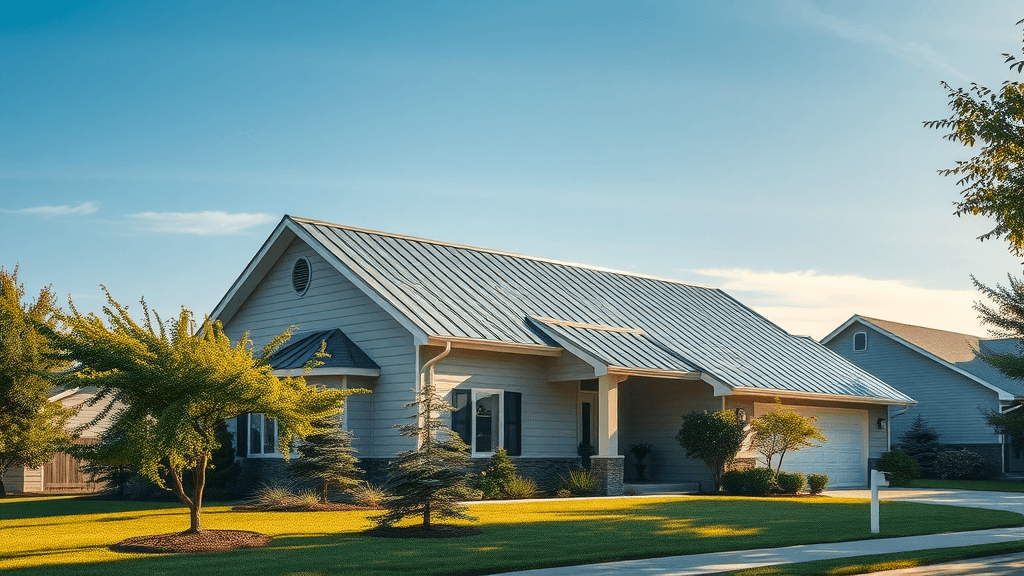
When I first considered switching to a metal roof , my main question was simple: would it boost my home’s resale value and curb appeal? The answer, I found, is a resounding yes. Metal roofing for homes immediately transforms a property’s look—what once looked like every other house on the block suddenly stood out with bold lines and a choice of vibrant color options. Prospective buyers and neighbors regularly complimented the modern, clean style, which only added to my confidence in the investment. The installation itself was surprisingly smooth, and seeing the finished result made it clear why metal is quickly becoming a favorite among design-savvy homeowners looking for both beauty and value.
What’s more, the sleek finish of a metal roof resists algae and fading better than most other roofing materials . Whether aiming for contemporary, classic, or rustic aesthetics, the range of types of metal roofing and finishes on the market ensures a seamless fit for nearly any architecture.
Metal Roofs and Long-Term Savings: The Financial Benefits of Investing in Metal Roofing for Homes
While the upfront cost of metal roofing for homes can be higher, real value becomes clear over time. Metal roofs’ extended lifespan—often supported by 40- to 50-year warranties—means you might never need another roof replacement during your time in the home. With asphalt shingles or clay tile, unexpected repairs and eventual full replacements stack up, adding hidden costs that metal roofing owners often avoid entirely.
But savings aren’t only about lifespan. Metal roofing dramatically cuts energy bills through high reflectivity and often qualifies for insurance discounts due to superior weather resistance. Factor in fewer maintenance expenses and you’re looking at genuine, compounding financial benefits that make the initial investment in a top-quality roofing system a practical—and strategic—decision.
- While initial investment is higher, metal roofs’ lifecycle costs are lower due to rarity of replacement and low maintenance.
- Metal roofs help save money every year on repairs and energy bills by resisting leaks, rot, and extreme weather far better than traditional materials.
For homeowners interested in the specifics of metal roofing options available locally, exploring the range of long-lasting metal roof materials in Denton, TX can provide valuable insight into styles, finishes, and installation best practices tailored to your region.
Comparing Roofing Materials: Is Metal Roofing for Homes Superior to Traditional Materials?
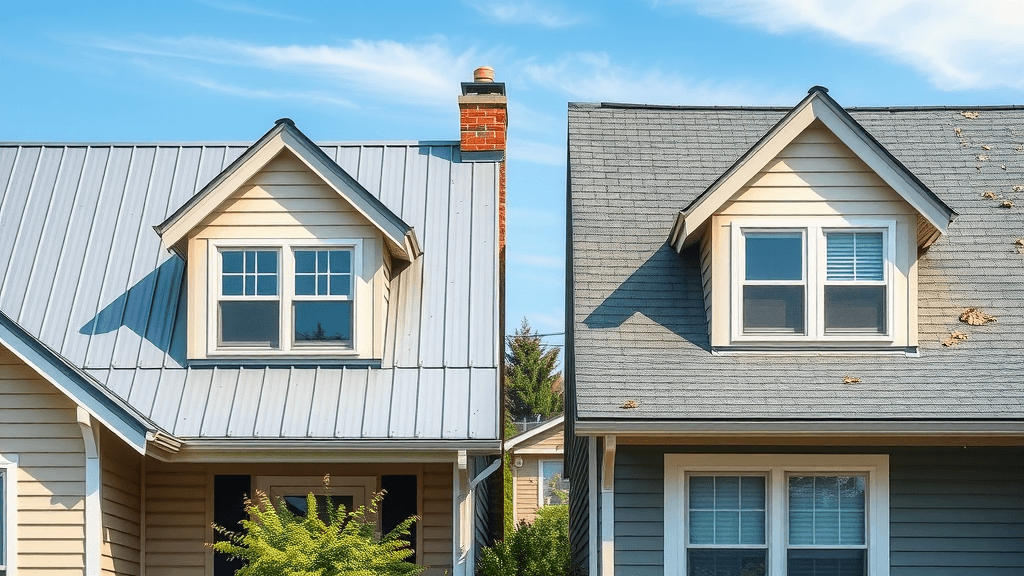
Let’s put facts first: when you compare metal roofing to traditional roofing materials like asphalt shingles or clay tile, the differences couldn’t be clearer. Asphalt’s allure is its cheap upfront cost, but replacement cycles every 15–20 years—and higher maintenance for leaks and weather damage—drive up its long-term expense. By contrast, metal roofs generally last decades longer with far less intervention. Standing seam, corrugated options, and even designer metal tiles outperform their traditional competitors in wind, hail, and even fire settings.
Another important factor is the environmental impact of roofing materials . Clay tiles and asphalt are infamously difficult to recycle, and their manufacture is energy intensive. In contrast, metal roofing for homes is often made from recycled metals, and most panels can be recycled again after their useful life. That’s a win-win for eco-conscious households who want sustainability built into their next roofing investment.
- Traditional materials cost less up front but offer only 15–30 years of service. Metal roofing can last 40+ years with less maintenance.
- Metal roofs provide stronger protection and are more sustainable, since many options use recycled metals and are 100% recyclable after use.
Types of Metal Roofing for Homes: Options, Styles, and Considerations
Choosing the Best Type of Metal for Your Home: Aluminum, Steel, Copper, and More
One of the great strengths of metal roofing for homes lies in the versatility of its types of metal . Each offers unique benefits that can match different climates and architectural tastes. Aluminum is well-suited for coastal regions thanks to its resistance to salt corrosion. Steel is the most popular due to its unbeatable strength and value, making it a fantastic all-purpose roof material . For those seeking a truly premium look and performance, copper’s patina and durability stand unrivaled; though, the cost is significantly higher.
Choosing the right type of metal means weighing durability, maintenance, cost, and aesthetics. Some homes benefit from a combination—steel with a stone coating, for example—for tailored performance and style. Talk with a trusted roofing contractor to pinpoint the perfect match for your climate, design, and budget goals.
- Aluminum : Lightweight, rustproof, excellent for coastal/humid climates.
- Galvanized steel : Strong, cost-effective, widely available in many color options .
- Copper : Longest lifespan, elegant natural patina, higher upfront cost.
Popular Types of Metal Roofing Styles
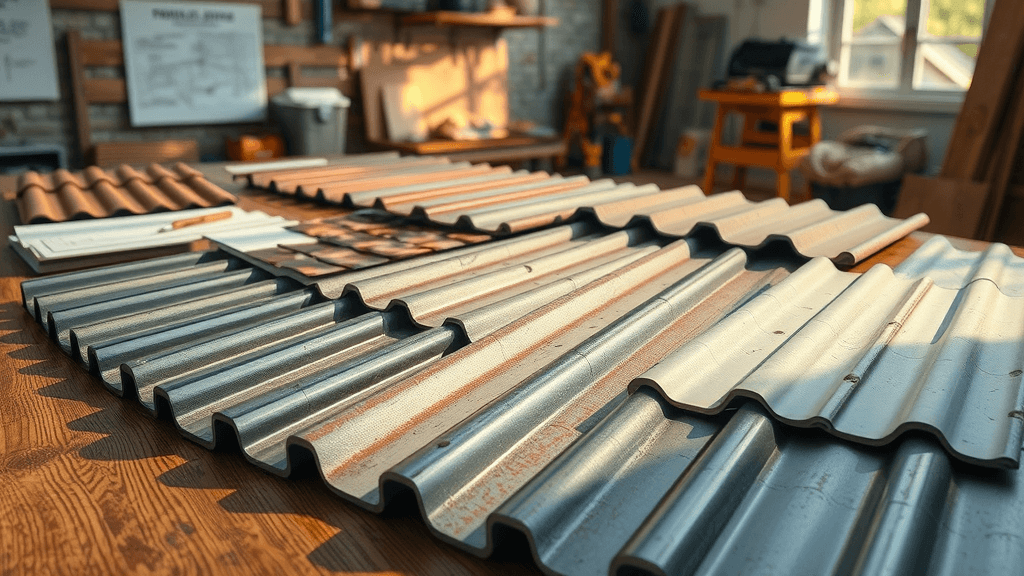
With types of metal roofing ranging from classic to contemporary, homeowners have more choices than ever. The undeniable favorite is the standing seam system, recognized for its crisp lines and watertight hidden fasteners. Corrugated panels offer a bolder, more industrial style and exceptional durability on modern or rustic homes. Designer metal shingles mirror the appearance of slate, shake, or clay tile but with the added strength and resilience only metal brings.
How to choose the right metal roofing system for your project? Start by considering your home’s architecture and local weather conditions. It isn’t just about looks—some systems are better for steeper roofs, while others excel in heavy snow or hurricane-prone regions. Consult a specialist roofing contractor for expert advice on styles that’ll best fit your location and design preferences.
- Standing seam: Sleek, modern, great for heavy rains; interlocking seams prevent leaks.
- Corrugated: Textured look, highly durable, ideal for rustic or industrial homes.
- Select the system that harmonizes with your home’s exterior style and regional climate needs.
Energy Efficiency and Sustainability: The Environmental Case for Metal Roofing for Homes
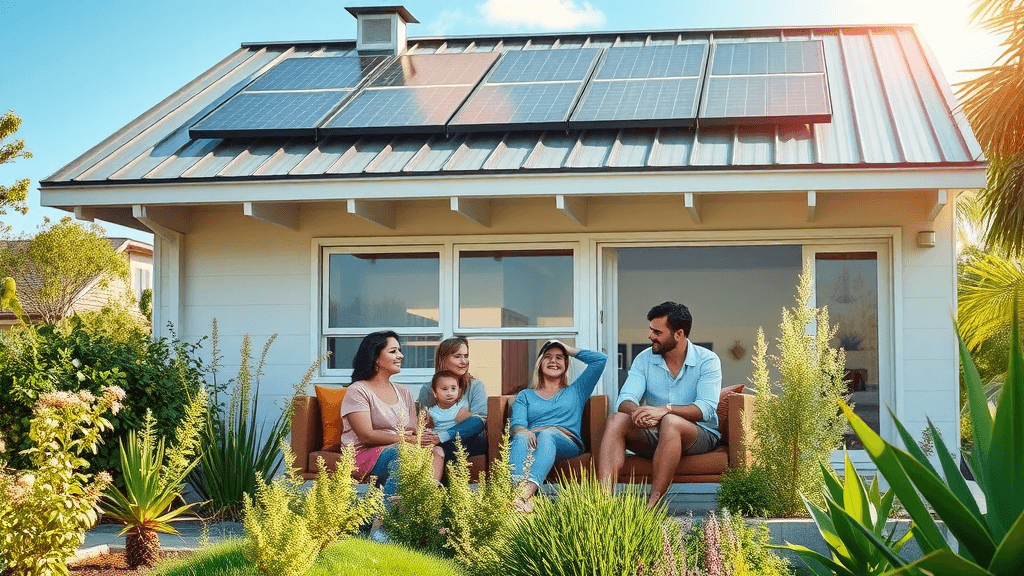
Metal roofing for homes is more than a trend—it’s an environmental solution. Unlike many roofing materials , metal reflects solar radiation, often reducing cooling costs by up to 25%. In colder climates, advanced panel designs and proper insulation lessen heat loss, helping you save money on energy bills all year round. The inherent energy efficiency of metal roofs is a significant selling point for eco-minded homeowners, contributing to both comfort and lower ongoing expenses.
Recyclability plays a huge role in the green credentials of metal roofs. Most metal roofing is made with a significant percentage of recycled material and is fully recyclable at end-of-life. This contrast is especially stark against conventional options like asphalt or tile, which often end their lives in landfills. Choosing metal roofing supports a circular economy and demonstrates a commitment to sustainability that enhances your home’s value and environmental profile.
- Metal roofing boosts insulation and energy efficiency—translating to real savings and increased year-round comfort.
- At end of life, metal roofs can be recycled, reducing landfill use compared to asphalt and clay tile options.
“Metal roofing reflects solar radiant heat, reducing cooling costs by up to 25% for many homeowners.”
Hiring the Right Roofing Contractor for Metal Roofing for Homes: What to Look For
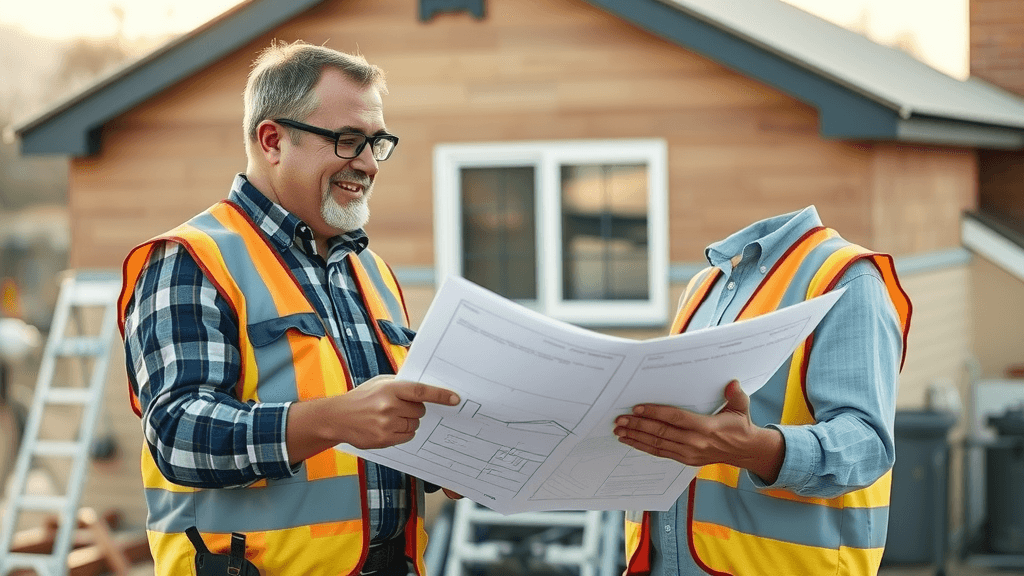
Even the best metal roofing system needs qualified hands for maximum performance. Choosing a roofing contractor with specific experience in metal is non-negotiable. Look for contractors with a solid portfolio of metal roof installations, strong references, and current credentials with manufacturers or industry associations like the National Roofing Contractors Association .
To protect your investment, ask pointed questions before signing a contract. Do they offer workmanship warranties? Can they explain the benefits of different types of metal for your climate? Do they follow local codes for overlays and new roof construction? The right professional will help navigate building permits, product selection, and quality installation—critical for a roof that lasts decades rather than years.
- Always choose contractors with verified metal roofing experience and manufacturer training.
- Ask about licensing, warranties, local code compliance, and past project references specific to metal roofing .
Real-World Results: Case Studies of Metal Roofing for Homes
- Jane from Texas replaced her hail-damaged asphalt shingles with a new metal roof, and hasn’t needed a repair since—despite multiple spring storms.
- The Millers in Colorado installed a standing seam roof and saw a 20% drop in annual energy bills, plus a significant boost in appraisal value when they refinanced.
- Leaky skylights, missing shingles, and a constant battle with mold—resolved immediately after upgrading to metal roofing.
- Homeowners report a dramatic decrease in roof-related insurance claims post-installation.
Understand the Maintenance Needs of Metal Roofing for Homes.
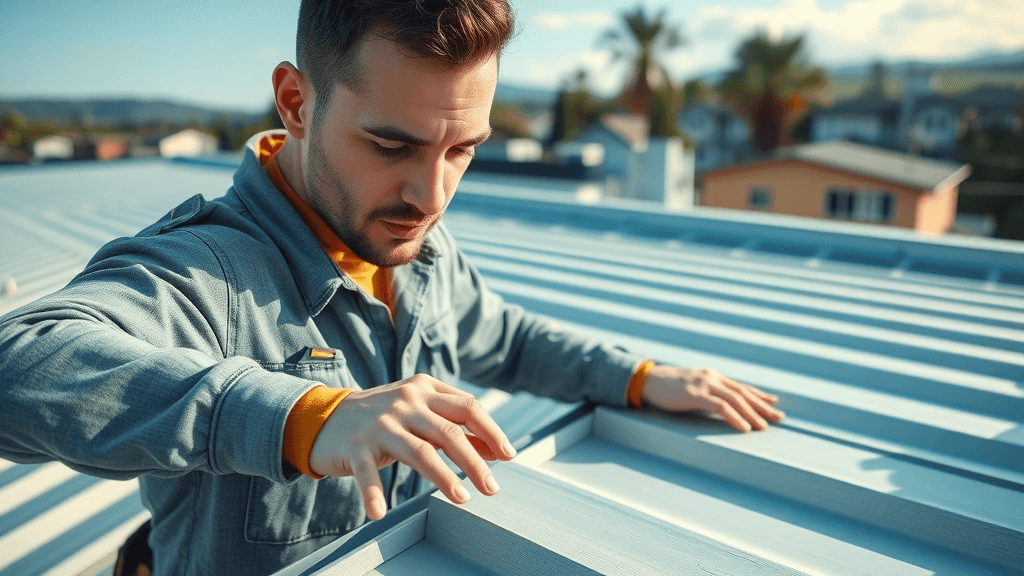
One of the standout features of metal roofing for homes is its exceptionally low maintenance. Unlike traditional roofs, which require regular patching, shingle replacement, or algae removal, a well-installed metal roof only needs basic care—a yearly cleaning, occasional debris clearing, and a quick check of fasteners and flashing.
This minimal upkeep puts metal roofs ahead of most traditional materials , offering peace of mind and freeing up your weekends for things you enjoy. Homeowners should still schedule periodic professional inspections to catch minor issues before they become bigger headaches, but these visits are infrequent and typically low cost when compared to major repairs with tile or asphalt.
- Minimal upkeep distinguishes metal roofs: just occasional cleaning and inspection for decades of worry-free protection.
- Preventative care includes clearing debris, checking seams, and touch-up painting if needed; most issues are rare and easily addressed at low cost.
Addressing Myths and Concerns about Metal Roofing for Homes
- Noise: Modern metal roofs installed with solid decking are no louder than shingle roofs—even in heavy rain.
- Lightning: Metal doesn’t attract lightning and is actually safer, dispersing energy harmlessly if struck.
- Corrosion: Today’s coatings and paint finishes prevent rust, making corrosion a rare issue for properly installed systems.
- With realistic expectations and proper installation, metal roofing often outlasts even optimistic warranties, sometimes performing for more than 70 years.
People Also Ask
Are metal roofs better than shingles for homes?
- Metal roofs surpass shingles in durability and longevity , lasting 30–60 years longer in many cases.
- While asphalt may cost less initially, metal roofs feature lower lifecycle expenses, greater weather resistance, and far less maintenance.
- For regions with extreme weather, including high winds and hail, metal is often the superior choice for protection and value.
How long does metal roofing for homes typically last?
- The average lifespan is 40–70 years; warranties generally cover 30–50 years depending on the system and manufacturer.
- With periodic inspection and basic care, real-world performance often exceeds even the longest warranties.
Is metal roofing suitable for all climates?
- Metal roofing for homes performs well in virtually every environment. It sheds snow and rain easily, resists strong winds, and doesn’t crack in cold or expand excessively in heat.
- Special coatings and materials are available for coastal, hot, cold, and storm-prone climates.
What maintenance is required for metal roofing for homes?
- Routine inspections once or twice a year, cleaning of gutters and panels, and checking sealants will maintain a metal roof’s performance and appearance for decades.
Can I install a metal roof over existing shingles?
- This is possible in many cases and can reduce disposal costs and labor, but it must meet local building codes and roof decking must be in good shape.
- Your roofing contractor will advise if this approach makes sense for your property and help ensure compliance and longevity.
Checklist: What to Consider When Choosing Metal Roofing for Homes
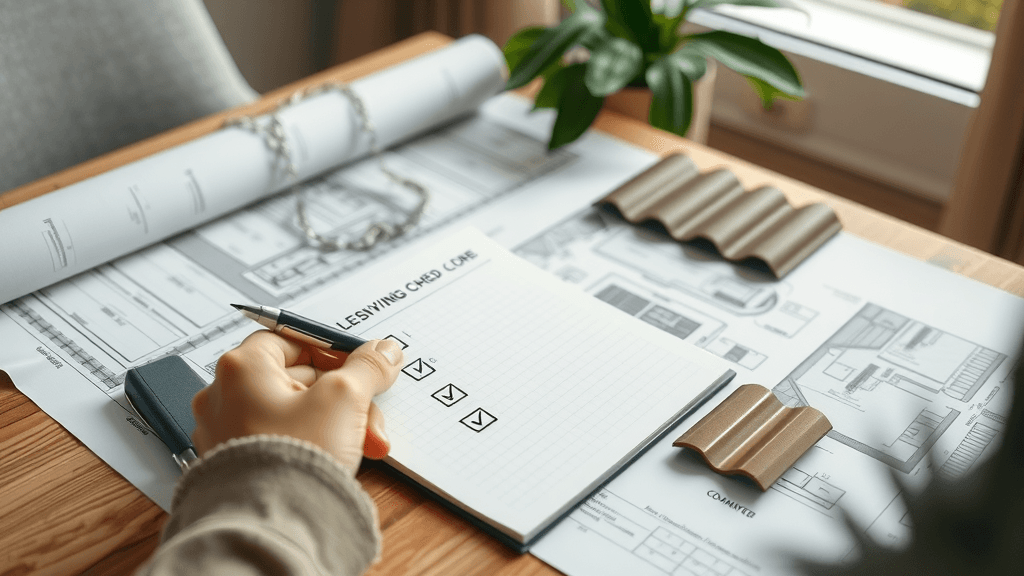
- Budget for both upfront and long-term costs—think in decades, not years.
- Assess your home’s roof pitch, architectural style, and unique needs with a qualified roofing contractor .
- Choose a product with a robust warranty from a reputable manufacturer; verify reviews and contractor credentials.
FAQs on Metal Roofing for Homes
- What are the advantages of different types of metal roofing?
Each type of metal —aluminum, steel, copper—offers unique benefits. Aluminum resists corrosion, steel is affordable and strong, and copper provides unmatched longevity and natural beauty. - Will metal roofing increase my home insurance?
In most cases, metal roofs qualify for discounts thanks to their durability and fire resistance, so insurance costs may drop instead of rising. - Are there noise issues with metal roofs in rain?
Proper underlayment and attic insulation make today’s metal roofs as quiet as a typical shingle roof—even in downpours. - How do metal roofs perform in severe weather?
Metal roofs withstand extreme weather —hail, wind, fire—better than most alternatives, often qualifying homeowners for insurance perks. - Is color fading a concern with metal roofing for homes?
Modern coatings protect against UV rays and fading; most manufacturers back this with long-term finish warranties.
Expert Insights: Leading Voices on Metal Roofing for Homes
“A professionally installed metal roof can routinely last 40-70 years, saving homeowners from multiple reroofing projects in a lifetime.” — National Roofing Association
- Industry leaders highlight the ongoing trend toward metal roofing in residential homes for its unbeatable mix of strength, style, and efficiency.
- Architects and top roofing contractors recommend metal roofing for greatly increased property value and fewer long-term headaches.
Watch a comprehensive walkthrough of different types of metal roofing , installation best practices, and see finished projects in diverse home designs.
Hear from real homeowners and watch time-lapse installs that prove the speed, ease, and transformative effect of metal roofing for homes .
Final Thoughts: Why Metal Roofing for Homes is the Superior Choice
- Modern metal roofing combines lasting protection, energy efficiency, and unmatched curb appeal. It’s a practical, stylish, and sustainable investment for every homeowner’s future.
“Choosing metal roofing for homes isn’t just smart—a decision for comfort, value, and peace of mind.”
- If long-term security and savings matter to you, it’s time to upgrade.
- For maximum peace of mind, get Gillean Brothers Roofing involved today! Call GBR at 940-315-7663 to learn more.
If you’re ready to take your home’s protection and value to the next level, consider exploring the broader landscape of roofing expertise available in your area. Discover how working with top-rated roofers in Denton, Texas can help you make informed decisions, access advanced installation techniques, and ensure your investment in metal roofing delivers lasting results for years to come.