
Did you know nearly 40% of U.S. homeowners are living beneath a roof with hidden damage? Your roof might look fine from the street, but lurking problems could cost thousands if ignored. This article empowers you with a roof inspection checklist , so you can spot issues early, safeguard your home, and avoid those unexpected, costly repairs.
Read on to learn the must-have steps for inspecting your roof—whether you’re a homeowner, preparing to sell, or want the peace of mind knowing your family is protected from the next severe weather event.
Why Every Homeowner Needs a Roof Inspection Checklist: Unveiling Hidden Threats
A roof inspection checklist isn’t just for peace of mind; it’s your first line of defense against costly repairs and unseen storm damage . Many homeowners are surprised to learn that even a small leak or a few missing shingles can lead to water damage , mold, or significant deterioration of their roofing system. Using a checklist ensures you don’t miss essential signs, empowering you to identify problems before they escalate into expensive headaches.
Performing regular roof inspections is a practical way to maintain your investment and protect your home . Homeowners who follow a reliable checklist often discover issues like blocked gutters, sagging spots, or damaged flashing early, so they can schedule prompt roof repairs and avoid major headaches. If you’ve invested in your property—especially if you’re considering a roofing project in the future—the small effort today will pay off in long-term savings and security for your roofing system.

“Nearly 40% of U.S. homeowners unknowingly live under a roof with unseen damage—don’t let your home become another statistic.”
Essential Components of a Roof Inspection Checklist
A thorough roof inspection checklist covers more than just shingles. It ensures your entire roofing system is assessed for problems inside and out. To properly protect your home and your investment, every inspection should include a structured review tailored to both residential and real estate scenarios.
Let’s break down the must-have components:
-
Exterior roof inspection
-
Interior attic/ceiling review
-
Structural integrity evaluation
-
Gutter and drainage assessment
-
Signs of storm damage
-
Inspection report documentation

How Real Estate Benefits from Regular Roof Inspections
In the real estate world, a complete roof inspection checklist is an invaluable tool. It gives potential buyers peace of mind, assures sellers that their property is market-ready, and helps real estate agents avoid last-minute surprises that could jeopardize a closing. If a home’s roof passes inspection, it becomes a significant selling point and may even allow for higher property valuations.
For real estate transactions, roof inspections often uncover minor issues that can be addressed before they become deal-breakers. Insurance companies may also request a recent inspection report to ensure the roof is sound before issuing a new policy, which can influence both the price and terms of coverage. Keeping up with these inspections is key for ongoing success in real estate.
While a thorough checklist helps you spot issues early, it’s equally important to understand how to document and present your findings if you ever need to file an insurance claim. For a step-by-step guide on navigating the insurance process after roof damage, explore these roof damage insurance claim assistance tips from the GBR team to ensure your repairs are covered and your home is protected.
The Role of Regular Roof Inspections in Protecting Your Home
Regular roof inspections are essential for maintaining your home’s safety and value. Skipping these inspections can allow leaks, rot, or hidden water damage to develop into serious threats—not just for your roof, but for the integrity of the entire house. Regular checks greatly extend the life of your roofing system, giving you confidence to weather any storm.
Your roof inspection checklist is most effective when used on a set schedule, especially after severe weather events or during seasonal changes. Proactive maintenance helps homeowners catch small issues early, avoiding roof replacement projects that can cost thousands. For smart homeowners, this ongoing diligence pays off with long-term savings on roof repairs and lower stress levels.
Maintaining Structural Integrity Throughout the Roofing Project
During any roofing project —whether inspection, repair, or replacement—ensuring the structural integrity of the entire roofing system is vital. Checklists help homeowners and roofing professionals document all steps, so nothing is overlooked. Inspecting roof trusses, decking, and supports helps spot issues such as sagging, water exposure, or weakening wood before they threaten the roof’s ability to protect your home .
Documenting the condition of each part also speeds up the decision-making process. If a project reveals damage, you’ll have an immediate, organized set of inspection notes to share with a roofing contractor for an assessment, so any roof repairs can be targeted and efficient.
“A small leak now can save thousands in future roof repairs—start with your roof inspection checklist early and often.” — Local Roofing Contractor
Video demonstration: Step-by-Step Roof Inspection Checklist Process
Roof Inspection vs. Roof Repair: Preventative Measures and When to Act
Understanding the difference between a roof inspection and a roof repair is crucial. An inspection is meant to detect small issues , storm damage , or deterioration before they spiral into problems that require major roof repairs or even full roof replacement . Inspections are best seen as a preventative step, while repairs are the action you take after a problem is found.
Timely roof inspections are the secret to minimizing expensive emergencies. Using a checklist, you can identify damage such as cracked shingles, clogged gutters, or flashing issues—knowing exactly when to act. This vigilance not only improves the performance of your roofing system but reduces interruptions to daily life. Don’t wait for an obvious leak; initiate action at the first sign of trouble.

|
Roof Inspection Checklist Item |
Signs to Watch |
Recommended Action |
|---|---|---|
|
Damaged/Missing Shingles |
Cracks, curling, bald spots |
Schedule roof repair |
|
Gutter Blockages |
Overflow or pooling water |
Clean or replace gutters |
|
Interior Ceiling Stains |
Water stains, peeling paint |
Investigate for leaks |
|
Roof Flashings |
Corrosion, detachment |
Repair or replace flashings |
|
Storm Damage |
Hail dents, wind-lifted shingles |
Document for insurance claims |
Identifying Storm Damage with a Comprehensive Roof Inspection Checklist
After severe weather—even if you don’t see obvious signs—using your detailed roof inspection checklist is vital. Storm damage can be subtle, sometimes only visible on close inspection. Hail may leave tiny, scattered dents while high winds often loosen shingles or create gaps. Even small issues can allow water into your home, leading to rot, mold, and ruined insulation.
After any major weather event , inspect for storm damage inside and out. Look for ceiling stains, warped spots, or odd odors inside the attic, and check outside for missing shingles, debris in gutters, or evidence of impact. Prompt action prevents costly repairs down the line and ensures your home is ready for the next severe weather event.

How to Document an Inspection Report for Insurance Claims
An organized inspection report is essential if you need to file insurance claims after severe weather. Take clear photos of all suspect areas—inside and out—and label them with the date and location. Carefully list every issue you find in your roof inspection checklist for easy sharing with your insurance company or contractor.
Insurance companies like detailed reports that pinpoint issues down to specific damages, including before-and-after shots if available. The more organized your documentation, the faster and more favorably your claim may be reviewed, giving you vital support for needed roof repairs or replacement. Even if you repair the damage yourself, keep a copy of the full inspection report for future real estate transactions and ongoing peace of mind .
“A detailed inspection report makes the difference between a swift insurance claim and a costly delay.”
Do You Need a Professional Roof Inspection or Can You Do It Yourself?
Many homeowners wonder whether they should conduct their roof inspection checklist themselves or hire a professional roof inspection . DIY inspections are ideal for simple visual checks and catching obvious issues like missing shingles, gutter blockages, or visible storm damage. However, a professional roof inspector brings experience, advanced tools, and knowledge to spot problems that are easy to overlook—especially hidden leaks, structural issues, or hard-to-access areas.
If your roof is older, you’ve experienced a major storm, or you’re preparing your home for sale, investing in a professional inspection is wise. They can often catch hidden issues early, potentially saving you thousands on roof repairs or even roof replacement down the line. For general maintenance or quick seasonal checks, a careful DIY approach using a checklist is a good start, but don’t hesitate to call the pros for peace of mind knowing your roofing system is truly secure.
When to Call a Roofing Contractor versus Using a DIY Roof Inspection Checklist
Call a roofing contractor if you discover anything serious in your DIY inspection: active leaks, sagging sections, large areas of missing shingles, or clear evidence of storm damage . Professional roofers not only confirm the problem but also propose the best solutions and document everything for insurance purposes. Their expertise ensures repairs are done safely and to code.
For newer homes or routine checks, most homeowners can handle simple checklist items—like looking for debris, checking gutters, or scanning for stains. Still, use your judgment. If you ever feel uncomfortable walking on your roof or if an issue looks beyond a surface fix, a quick call to a licensed roofing professional is always the best move.
How Often Should You Use a Roof Inspection Checklist for Regular Roof Inspections?
Regular roof inspections should be scheduled at least twice a year—once in the spring and once in the fall, as your roof shifts between seasons. However, always use your roof inspection checklist after any significant weather event , such as hailstorms or high winds, to catch storm damage right away. Inspections are also essential before selling your property or planning major roofing work.
This routine keeps your roofing system performing at its best, helps avoid water damage, and gives you the peace of mind knowing that your home is protected year-round. Make roof inspections a habit to avoid emergencies, keep repair costs down, and extend the life of your roof.
Seasonal Tips for Scheduling Your Professional Roof Inspection
Spring and fall are the best times to book a professional roof inspection , as temperature swings and seasonal storms are common. In spring, inspectors check for winter damage, and in fall, it’s a chance to reinforce the roof for the coming cold. Schedule right after major weather events—like hail, wind, or heavy rain—to discover hidden problems immediately.
If you plan to sell your home, make roof inspection part of your pre-listing to guarantee buyers don’t encounter hidden surprises. Remember to update your inspection records at every review, and partner with reliable roofing contractors for advice on ongoing maintenance or upgrades.

-
Spring and fall for climate transitions
-
After major storms
-
Before property sale or real estate transaction
Top 10 Items to Include on Your Roof Inspection Checklist
Here are the ten crucial tasks every roof inspection checklist should cover. Tackling each area means greater confidence, quicker repairs, and a longer-lasting roof.
-
Inspect shingles/tiles for wear and damage
-
Evaluate gutters and downspouts for debris
-
Assess flashing around chimneys and vents
-
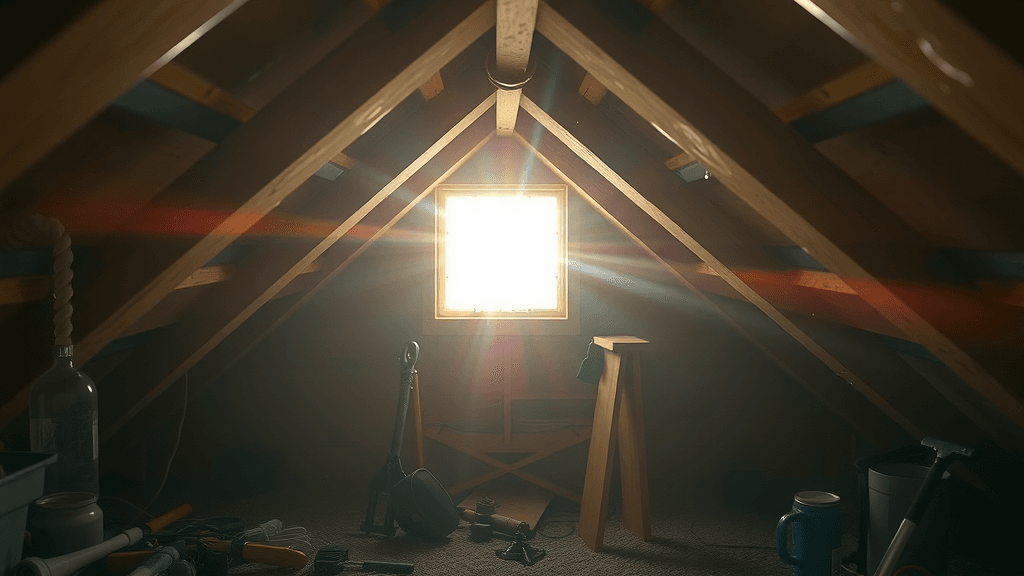
Check attic for leaks or daylight
-
Look for sagging or uneven roof areas
-
Inspect sealant and caulking
-
Review any signs of mold or rot
-
Document storm damage immediately
-
Photograph all suspicious areas for your inspection report
-
Schedule prompt repairs for notable issues
People Also Ask: Roof Inspection Checklist FAQs
What is included in a roof inspection checklist?
A roof inspection checklist typically includes examining shingles or tiles for wear and damage, checking gutters for blockages, inspecting flashing and seals around chimneys and vents, looking for leaks or water stains inside the attic, and assessing overall structural integrity . It also involves looking for storm damage and documenting all findings in an inspection report. Having a thorough, written checklist reduces the chance of missing small issues that could become major problems.
How often should you do a roof inspection checklist?
You should complete a roof inspection checklist at least twice a year—ideally in spring and fall—and always after major storms or significant weather events. This schedule helps spot storm damage early before it turns into costly repairs . If your home is older or you’ve experienced water damage or leaks, more frequent inspections are recommended for greater peace of mind.
Can a roof inspection checklist help with insurance claims?
Absolutely. Using a roof inspection checklist creates a clear inspection report, which is crucial for successful insurance claims after storm damage . Detailed documentation—including photos and notes—helps insurance companies quickly verify your claim, speeds up repairs, and can help ensure your roof repairs or replacement costs are covered.
Is a professional roof inspection necessary for all roofing projects?
While not required for every minor repair, a professional roof inspection is essential for large projects, major leaks, or after severe storms. Pros have the experience and equipment to catch hidden issues, protect your investment, and provide the documentation needed for resale or insurance. When in doubt, a professional assessment is the safest choice for your home’s roofing system.
How to Use Your Roof Inspection Checklist to Protect Your Home
Put your roof inspection checklist to work by acting quickly on the issues you find. Fixing small leaks right away, saving detailed inspection reports, and consulting a roofing contractor for major discoveries will keep your roofing system strong and protect your home from both minor nuisances and major disasters.
A checklist isn’t just a formality—it’s your guide to proactive, practical home care. The more diligent you are about inspections, the fewer surprises you’ll face and the less you’ll spend on emergency fixes. Partnering with a professional roof inspector when necessary multiplies your results, offering even more peace of mind knowing your house is protected come rain, hail, or shine.
Turning Findings into Action: Roof Repairs and Replacement
-
Fix leaks or minor issues promptly
-
Save all inspection reports for future reference
-
Consult a professional roofing contractor for major discoveries
-
Plan for routine roof replacements if necessary
Expert Insights: Quotes from Professional Roof Inspectors
“Routine roof inspections are essential—prevention is always less expensive than the cure when it comes to your home’s first line of defense.” — Certified Professional Roof Inspector
Summary and Invitation to Take Action
A roof inspection checklist is your best defense against unexpected repairs and hidden damage. For maximum peace of mind, get Gillean Brothers Roofing involved today! Call GBR at 940-315-7663 to learn more.
If you’re ready to take your home’s protection to the next level, consider learning more about the team behind these expert recommendations. Discover how Gillean Brothers Roofing has become Denton’s most trusted roofer, and see what sets their approach apart when it comes to quality, reliability, and customer care. Meet the GBR Roofing team and explore their commitment to excellence —your next step toward a safer, longer-lasting roof starts with the right partner.