
Did you know? Over 90% of home water damage incidents could be prevented by proper residential guttering consideration and installation. This crucial home feature isn’t just about redirecting rainwater—it’s a line of defense that protects your foundation, siding, landscaping, and even your home’s value. In this guide, we’ll break down the ten key residential gutter system considerations every homeowner should know to keep their property safe, dry, and looking its best.
Startling Fact: Over 90% of home water damage incidents could be prevented by proper residential guttering consideration and installation.
Whether you’re building a new home or updating your current property, the importance of a thoughtfully designed gutter system cannot be overstated. Gutters do much more than keep rain from dripping on your head; they are your first defense against water damage, erosion, and costly repairs. From the selection of materials to sizing and professional installation, each element plays a pivotal role. Ignoring key considerations—such as water flow capacity, gutter guards, or strategic downspout placement—can quickly lead to significant problems like basement flooding, cracked foundations, and structural damage. Making informed choices now ensures your home stands strong against unpredictable weather and boosts its curb appeal all year long.
The core purpose and importance of residential gutter systems
Criteria to evaluate before gutter installation
Maintenance practices for protecting your home from water damage
Modern options for seamless gutters and gutter guards
When it comes to protecting your home from water, residential guttering consideration is absolutely essential. A good gutter system is designed to manage water flow efficiently, so rainwater is directed away from your home’s foundation and siding. This prevents moisture from seeping into basements and crawl spaces, wards off mold growth, and shields your landscaping. Without an effective gutter system, even a brief heavy rain can result in costly water damage. Homeowners often don’t realize until it’s too late that simple decisions made during gutter installation—like the type, size, and placement of gutters and downspouts—can make a massive difference in how well your property stands up to storms.
Proper gutter placement, sizing, and downspout integration are vital for optimal water management. Choosing a seamless gutter or properly connecting gutters and downspouts ensures water flows efficiently and decreases the chances of leaks. When you prioritize these gutter system aspects, you prevent water from pooling near your home and avoid expensive repairs down the line. Investing in your gutter system isn’t just smart; it’s necessary for safeguarding your home from water damage and the headaches that come with it.
For homeowners interested in a deeper dive into the benefits and process of seamless gutter installation, exploring seamless roof gutter installation options in Denton County can provide practical insights and help you make an informed decision tailored to your property’s needs.
How proper gutter systems shield your home from water damage
The link between gutters and downspouts, seamless gutters, and effective water management
One of the most critical roles of gutters is managing water flow around your property. By carefully directing rainwater through the gutter system and downspouts, you reduce the risk of leaks, foundation cracks, attic mold, and landscape erosion. Seamless gutters, in particular, offer fewer joints and connections, which means water moves more smoothly with less risk of leaks or debris buildup. Downspouts play an equally important part by guiding water safely away from the home, keeping your basement and crawlspace dry. Understanding how and where water moves during a heavy rain allows you to design the best system for protecting your home long-term.
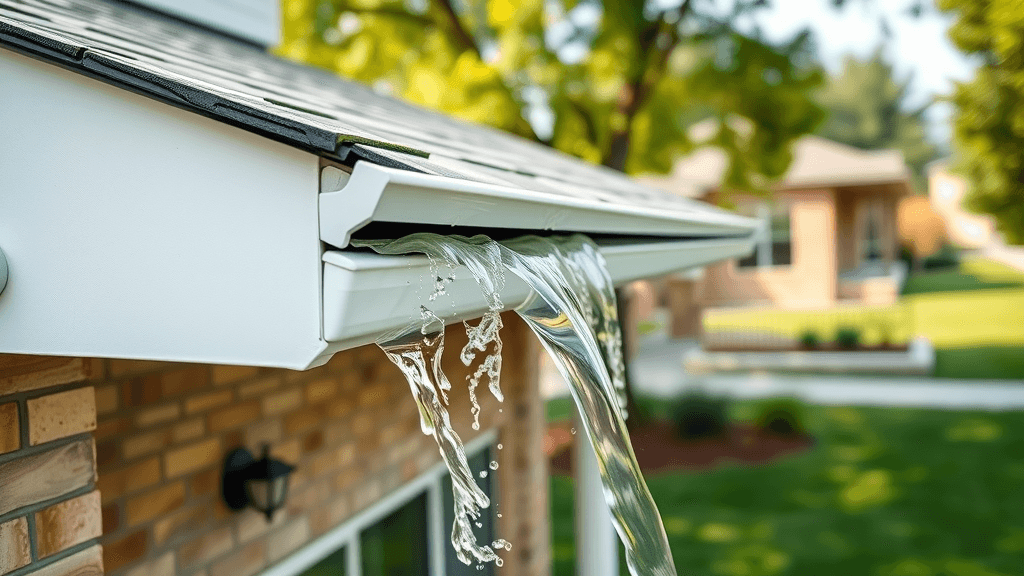
Choosing the right gutter material is the first step towards building an effective residential gutter system. Your choice affects everything from the system’s longevity and performance to your home’s curb appeal and budget. Homeowners typically choose between aluminum gutters, copper gutters, vinyl, and steel. Each material offers unique benefits and drawbacks, depending on local climate and personal preferences. Selecting a gutter material that can withstand temperature swings, heavy rain, and sun exposure ensures your system stays functional and attractive year after year.
Beyond aesthetics, durability and resistance to rust or corrosion must be considered. While aluminum gutters are lightweight and resist rust, copper gutter adds a touch of classic style and lasts for decades with minimal maintenance. Steel is incredibly strong for areas prone to severe weather, but may corrode if not properly finished. Think about your home’s exterior style and weather patterns—these will help guide your decision for a gutter material that not only protects your home, but also enhances its look and stands up to the test of time.
Comparing aluminum, copper gutters, and other materials
Durability, aesthetics, and weather condition resistance
Aluminum gutters are a popular choice because they’re lightweight, rust-resistant, and available in a variety of colors to match your home. Copper gutters, while more expensive, provide unmatched durability and a stunning visual appeal that develops a natural patina over time. For homeowners seeking affordability, vinyl gutters are easy to install but might not hold up as well in regions with extreme weather. Steel and zinc gutters are strong options for areas with heavy downpours or wind. When making your decision, balance initial investment against long-term maintenance needs, appearance, and how well the material performs under your local weather conditions. Choosing well now means fewer headaches—and fewer costly repairs—later on.
Gutter size is more than a mere measurement—it’s a primary factor in how well your system manages water flow and protects your home from water damage. If your gutters are too small, even brief heavy rainfall can cause them to overflow, leading to erosion, foundation cracks, and leaks. On the flip side, oversized gutters can look out of place and become more expensive to install and maintain. The right gutter size is determined by a combination of your roof area and the expected rainfall intensity in your region. Making informed choices about your gutter system’s size means you’ll direct rainwater efficiently, avoiding water pooling and ensuring your home’s foundation, siding, and landscaping stay secure and dry.
When working with a contractor or reviewing gutter sizing charts, make sure you factor in both the roof surface area and local precipitation records. It’s also wise to consider the overall design and how the selected size impacts your home’s curb appeal. The correct gutter system blends performance and style, maximizing protection from water while adding to your home’s external charm. If you aren’t sure which size is best, consult a local expert. The upfront investment you make in proper sizing will pay for itself many times over by preventing water damage and expensive remediation costs down the line.
Sizing gutters for optimal protection
Effects on water damage, home from water, and curb appeal
Understanding the relationship between gutter size and water flow is crucial. Gutters that are too narrow won’t keep up with heavy rain, causing overflow that damages siding and soils. Oversized gutters may detract from curb appeal and require more support during installation. Striking the right balance keeps your home safe even during intense downpours, prevents flooding, and adds a sleek element to your home’s design. Remember, your goal is to keep water away from your foundation and landscaping. Therefore, matching your system’s capacity to your region’s climate ensures the best long-term protection for your property.
Choosing between seamless gutters and sectional gutters is a critical residential guttering consideration that will affect your system’s performance, maintenance, and aesthetics. Seamless gutters are custom-fitted to your home and fabricated as one continuous piece. This design means fewer joints, which translates to less leakage and a cleaner appearance. Sectional gutters, on the other hand, are pre-cut and joined together during installation. While they’re often more budget-friendly and easy to install, more seams mean more opportunities for leaks and debris accumulation.
Deciding which is right for you depends on your budget, desired look, and commitment to regular maintenance. For homeowners focused on water damage protection and long-term value, seamless gutters are often the top choice. They reduce the risk of leaks and require fewer repairs, but cost more upfront. Sectional gutter systems can be sufficient—especially for smaller homes or quick fixes—if you’re diligent about sealing and regular inspection. In either case, understanding these options helps you make the best investment in your home’s future stability and curb appeal.
Reduced leaks with seamless gutters
Cost, installation, and maintenance differences
Seamless gutters are prized for their high performance in preventing water leaks, lowering maintenance time, and giving your home a smooth, professional finish. While installation tends to be pricier (due to on-site fabrication), the savings often show up long term, as you’ll face fewer repairs. Sectional gutters, while cost-effective up front, may require more frequent attention to seal weak points and clear blockages at seams. Carefully weigh your willingness to perform regular checks and repairs against your budget to determine which is best for your property—and remember, protecting your home from water damage should always take priority.
Gutter guards are an essential addition for any homeowner looking to maximize the effectiveness of their gutter system and reduce maintenance. These gutter guard devices sit atop your gutters, blocking leaves, twigs, and other debris while still allowing water to flow freely. This not only keeps water moving away from your home, preventing overflow and pooling, but also minimizes the hassle of regular gutter cleaning. There are several types of gutter guards—mesh, screens, reverse curve, and foam—all offering varying levels of protection and ease of maintenance.
When selecting gutter guards, it’s crucial to consider your local environment, expected debris buildup, and weather conditions. For homes surrounded by trees, finely meshed or micro-mesh guards can make a significant improvement. While installing guards does not eliminate the need for maintenance, it radically reduces the likelihood of clogs and costly repairs. Over time, gutter guards become a cost-effective investment in protecting your home from water damage, especially in areas with frequent storms or seasonal leaf falls.
Types of gutter guards and their effectiveness
Maintaining gutters and downspouts with guards
Gutter guards undeniably enhance your overall gutter system function. They prevent debris from entering the gutter channel, significantly reducing the risk of blockages and overflow. Whether mesh, foam, or surface tension designs, the right choice for your home will depend on the types of leaves, needles, and debris common to your local climate. Guard-protected gutters stay cleaner longer, save on maintenance costs, and offer better water flow, reducing the risk of water damage around your home. Pairing gutter guards with properly installed downspouts ensures your entire system works efficiently and you protect your home year-round.
Finally, as with many home improvement services, the gutter guards market is where you’ll find a lot overpriced hype and hullabaloo. We recommend that you seek at least three quotes from unaffiliated providers, then make your decision. Gillean Brothers Roofing would feel honored to be considered in your project!
Gutters and downspouts work together to drive rainwater away from your foundation, preventing erosion, leaks, and basement flooding. A vital part of residential guttering consideration is making sure both components are correctly installed and appropriately sized. Downspouts are the essential exit route for water collected in your gutters; their number, placement, and extension length directly impact your system’s performance and ability to protect your home.
Incorrect downspout placement is a common issue that leads to water pooling near the foundation and can result in costly repairs over time. Each downspout should terminate at least five feet away from your home’s foundation, and extensions should be added when necessary. When installing gutters and downspouts, consider the slope of your lot and landscaping, so water is directed safely away from all vulnerable areas. Strategic integration of gutters and downspouts is the key to preventing water damage and gives your home a polished, well-kept appearance.
Installing gutters and downspouts in synergy
Protect your home with strategic placement
The synergy between well-placed gutters and downspouts is crucial for efficient water flow and damage protection. If downspouts discharge water too close to your home, you risk foundation cracks, landscape erosion, and basement leaks. Smart placement, with extensions leading away from flower beds and structural supports, is a proactive step any homeowner can take. Installing gutter systems with expert guidance ensures water moves exactly where it should and that your investment delivers long-lasting protection for your family and property.
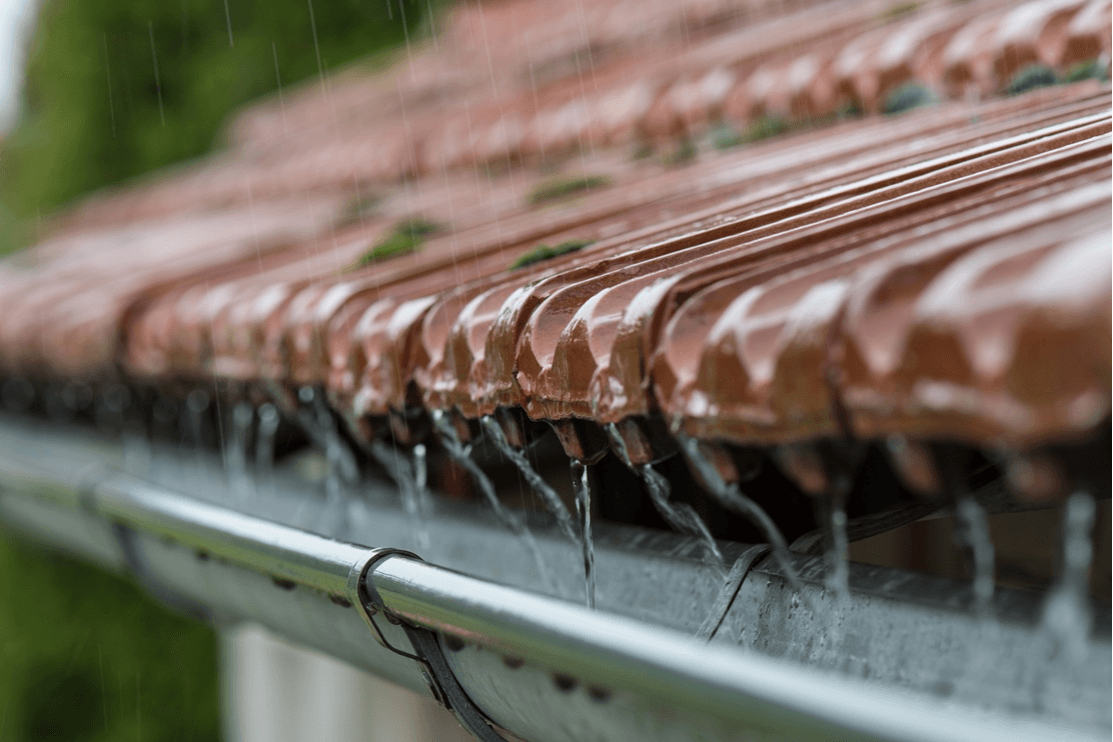
When it comes to gutter installation, deciding between DIY and hiring a professional makes a big difference in your gutter system’s future performance. Professionally installed gutter systems benefit from expert measurement, precise cutting, and secure attachment to your home. These experts identify problem areas before installation—such as roof pitch issues or potential ice damming spots—and make adjustments that a DIYer might miss. This meticulous approach leads to gutters that look great, manage water flow effectively, and require less maintenance.
If you’re unsure about the complexity involved, or if your home has unique architectural features, going with a professional installation delivers peace of mind. Most pros also offer warranties and maintenance contracts, ensuring that your gutters and downspouts continue to perform optimally for years to come. Ultimately, spending a bit more now on expert gutter installation prevents leaks, sagging, detachment during storms, and saves you from expensive repairs later. Your family and your investment deserve this level of protection.
The benefits of professional versus DIY gutter installation
Ensuring gutter systems’ efficiency and longevity
While DIY installation can seem appealing, most homes benefit from professional attention. Contractors use high-quality materials and observe best practices, from sloping gutters at the proper angle to using hidden brackets for a cleaner look. Professional installation extends the lifespan of your gutter system, optimizes performance under all weather conditions, and supports your warranty. If your home has multiple levels, unusual rooflines, or if you want seamless gutters, calling in the pros is the safest, most effective way to protect your home from water damage.
Gutters don’t just work—they can also enhance your home’s curb appeal. Today’s residential guttering consideration goes beyond function, offering modern gutter profiles, colors, and finishes to match any architectural style. Aluminum and copper gutters often come in a variety of shades, letting you pick a look that blends or boldly contrasts with your trim. Choosing stylish, low-profile gutters adds an upscale element to your property and can even increase its value.
For homeowners who want their homes to look as good as they function, investing in well-crafted gutter systems is an easy win. With seamless gutters, you’ll avoid unsightly seams or joint lines, creating a crisp outline along your roof. Specialty materials like copper gutter can bring timeless beauty to heritage homes. Ultimately, curb appeal counts not just for the enjoyment of your family, but also for resale. A thoughtfully selected gutter system ties together your exterior, protects your investment, and draws a positive first impression for years to come.
Enhancing curb appeal with modern gutter solutions
Choosing colors and profiles that suit your home
A harmonious gutter system will blend effortlessly with your roofline and siding, providing both protection and architectural charm. Consider matching gutter color to your trim for a seamless look, or opt for contrasting colors to highlight your home’s character. Modern gutter profiles include K-style, half-round, and custom box shapes, allowing you to personalize your gutter system as you see fit. Expert advice can help you pick a design that maximizes beauty without sacrificing function, proving that protecting your home never has to come at the expense of style.
Your local weather conditions play a massive role in the type, size, and installation style of your gutter system. If you live in an area with frequent heavy rainfall, snow, or ice, you must select materials and installation methods designed for tough climates. Aluminum gutters resist rust, while copper gutter can withstand years of changing temperatures and precipitation. For regions with severe snow or ice, additional supports and heated gutter lines can be installed to minimize the risk of blockages and ice dams. The best residential guttering consideration always prioritizes your local climate for a long-lasting, trouble-free system.
Don’t overlook important modifications like larger downspouts for heavy downpours or leaf guards for breezy, wooded areas. Extreme weather can overwhelm standard systems, so it’s smart to discuss customizations (like thicker gauge materials or reinforced brackets) with a professional during the gutter installation process. Being proactive about your gutter system’s design prevents water damage and means fewer emergency repairs when the weather turns rough, safeguarding your home year after year.
Customizing gutter material and installation for climate
Considerations for heavy rains, snow, or ice
Preparing for your local climate means thinking ahead—choose larger gutters if you regularly face intense downpours or double-check support spacing for high-wind areas. Homes in snowy regions should opt for reinforced brackets and consider installing heating cables to prevent dangerous ice dams. Matching your gutter material to your region ensures your gutter system remains functional and damage-free, ready to defend your home from the worst Mother Nature throws your way.
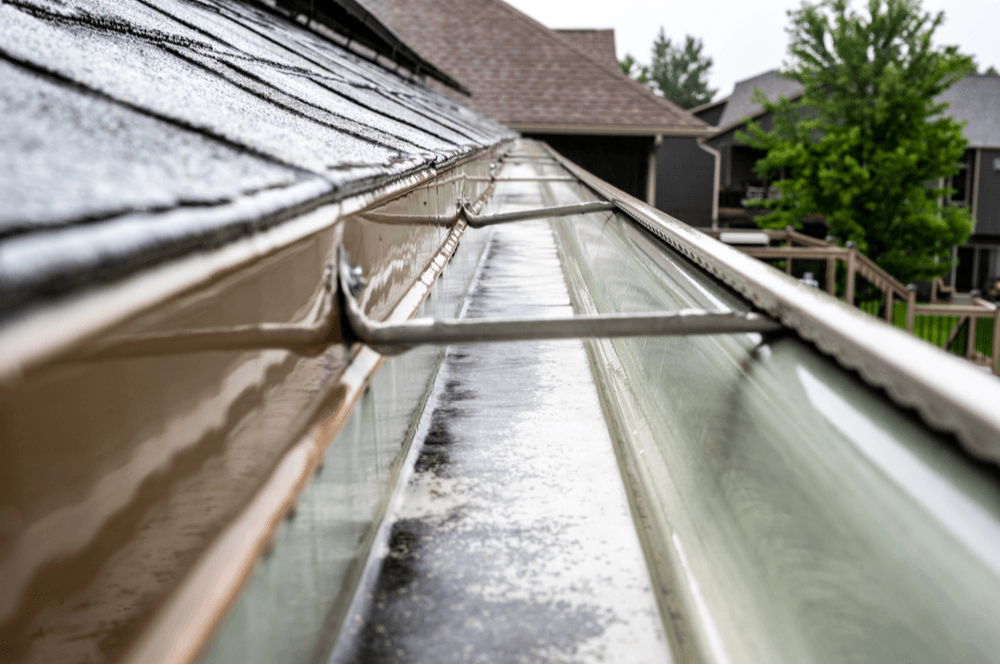
No matter how advanced your gutter system is, regular maintenance is key to keeping it operating at peak efficiency. Leaves, twigs, and other debris can clog gutters and downspouts, blocking water flow and putting your home at risk for leaks and foundation troubles. Establishing a routine cleaning and inspection schedule—twice yearly for most homes—is one of the best ways to protect your home from water damage and avoid sudden, expensive repairs like rotted soffits, stained siding, and mold growth.
During maintenance, make sure to check for sagging, loose brackets, gaps, and standing water. These are early clues that your gutter system may need repair or adjustment. If you have gutter guards, take a few moments to check they’re clear and undamaged. Proactively addressing minor issues will keep your system running smoothly and your home dry throughout every season. Remember, the cost of occasional upkeep is minimal compared to major water damage restoration or foundation repairs.
Routine maintenance schedules
Early warning signs of gutter system failure
Experts recommend cleaning gutters once in the spring and once in the fall—especially if you have trees nearby. During each session, remove all visible debris, flush the gutters and downspouts with a garden hose, and check for proper water flow. Look out for pooling water, rust, or broken fasteners. Spotting trouble early keeps your gutter system functioning well and eliminates threats before they require costly repairs. Keeping a maintenance log can also help you track the health of your system and ensure nothing is overlooked.
Balancing your upfront investment with long-term savings is a vital step in residential guttering consideration. The total cost of a new gutter system includes not just the material and size, but also installation, upgrades (like gutter guards), and ongoing maintenance. While basic vinyl or sectional gutter options may seem affordable at first, opting for higher-quality materials and professional gutter installation can save you thousands in water damage repairs down the line.
Budget wisely by getting quotes for several materials and installation styles, and ask what is included in terms of warranty and follow-up service. Investing a bit more today in seamless gutters, copper gutter, or gutter guard systems often results in savings tomorrow. Prioritize spending that delivers performance, durability, and minimal maintenance, guaranteeing your home is protected well into the future.
Understanding lifetime costs of gutter systems
Balancing upfront investment with long-term savings
When budgeting, always weigh the ongoing cost of maintaining sectional gutters versus the one-time expense of seamless gutter installation. Factor in potential repair expenses from water damage if your gutter system fails. Upgrading to premium gutter guards or copper gutter may cost more, but the longevity and lower maintenance requirements often make them the smarter choice over time. A well-maintained and professionally installed gutter system is not just a purchase—it’s an investment in peace of mind and the long-term health of your home.
A thoughtful approach to residential guttering consideration protects your home
Material, size, guards, and maintenance play critical roles
Professional installation and maintenance are paramount for long-term effectiveness
The industry standard for gutter sizing is to provide 1 inch of gutter width for every 100 square feet of roof area, considering local rainfall intensity. Correct sizing maximizes water flow and helps prevent water damage by allowing your gutter system to handle heavy rain, keeping your home safe from water intrusion.
Typical gutter installation for a 1,500 sq ft home ranges from $1,200 to $3,000, depending on the material (aluminum, copper gutter, or vinyl), whether you choose seamless gutters over sectional, and if you hire a professional. Additional costs may include gutter guards and special climate adaptations.
Key residential guttering considerations include choosing a system compatible with your roofline, picking a reliable gutter material, selecting effective gutter guards, and ensuring professional installation. Always check durability, warranty details, and whether the system is designed to perform in your local weather conditions.
Seamless gutters are widely regarded as the best due to their leak resistance and low maintenance requirements. Copper gutter systems are celebrated for their longevity and visual appeal, while aluminum gutters offer affordability and durability. Round gutters and other specialty shapes may be chosen for unique architectural needs.
A robust gutter system is essential for protecting your home from water damage. Optimize your decisions by considering material, size, design, guards, and professional installation. For maximum peace of mind, get Gillean Brothers Roofing involved today.
Call Gillean Brothers Roofing at 940-315-7663 to learn more, and ensure your next residential guttering consideration delivers maximum protection and curb appeal.
As you consider the best ways to protect your home from water damage, remember that your gutter system is just one part of a comprehensive approach to home maintenance. For those looking to take the next step in safeguarding their property, exploring advanced roofing installation solutions for residential and commercial properties can provide additional peace of mind and long-term value. By integrating high-quality roofing with a well-designed gutter system, you’ll ensure your home stands strong against the elements for years to come. Discover how a holistic strategy can elevate your property’s protection, efficiency, and curb appeal—empowering you to make the most informed decisions for your investment.